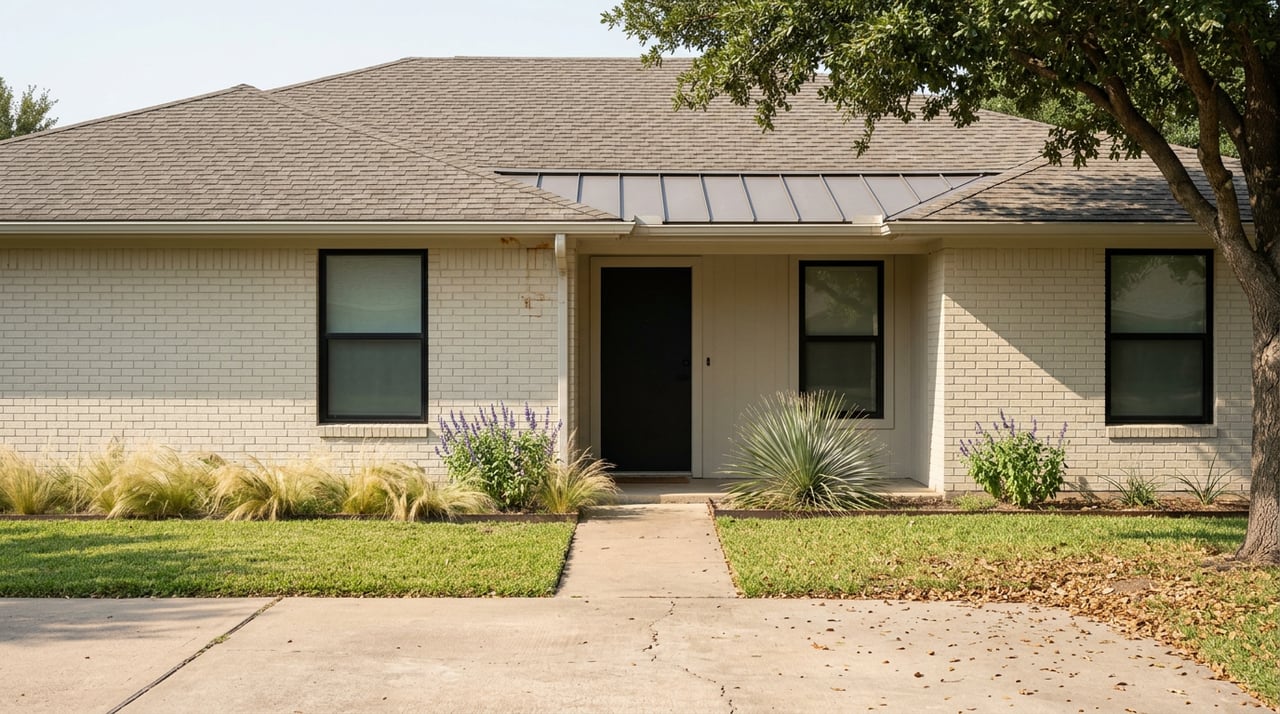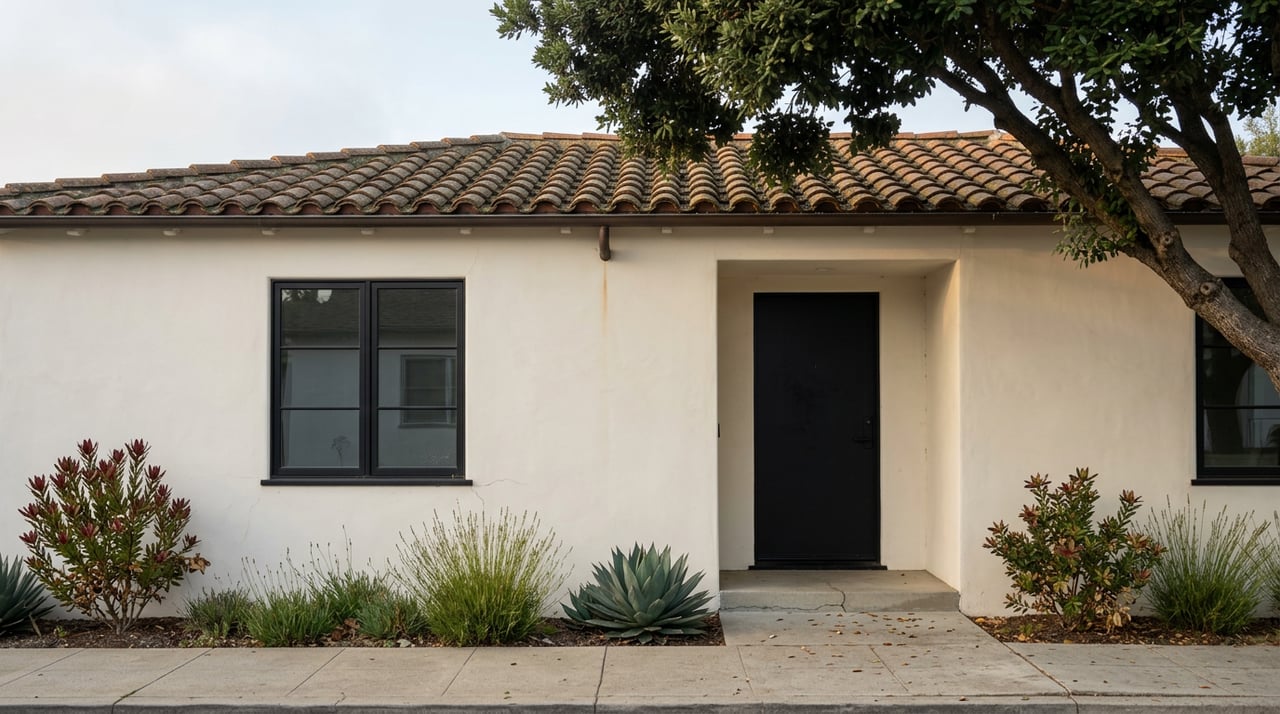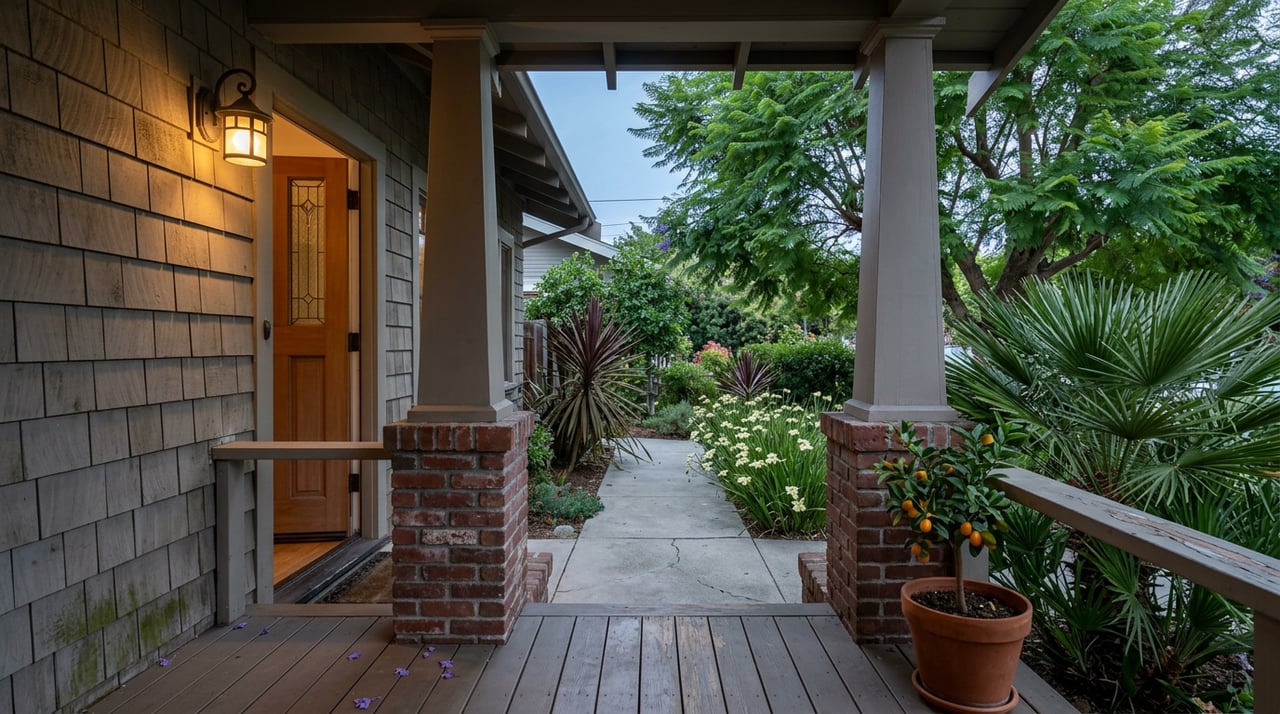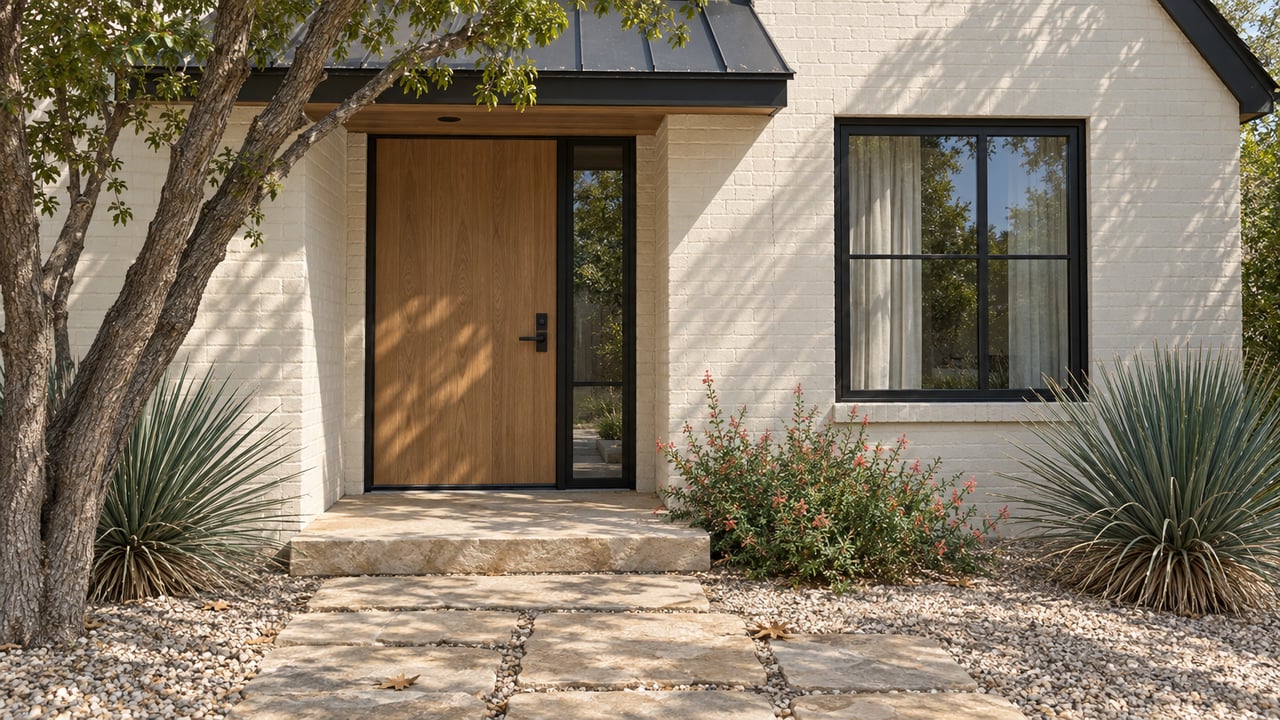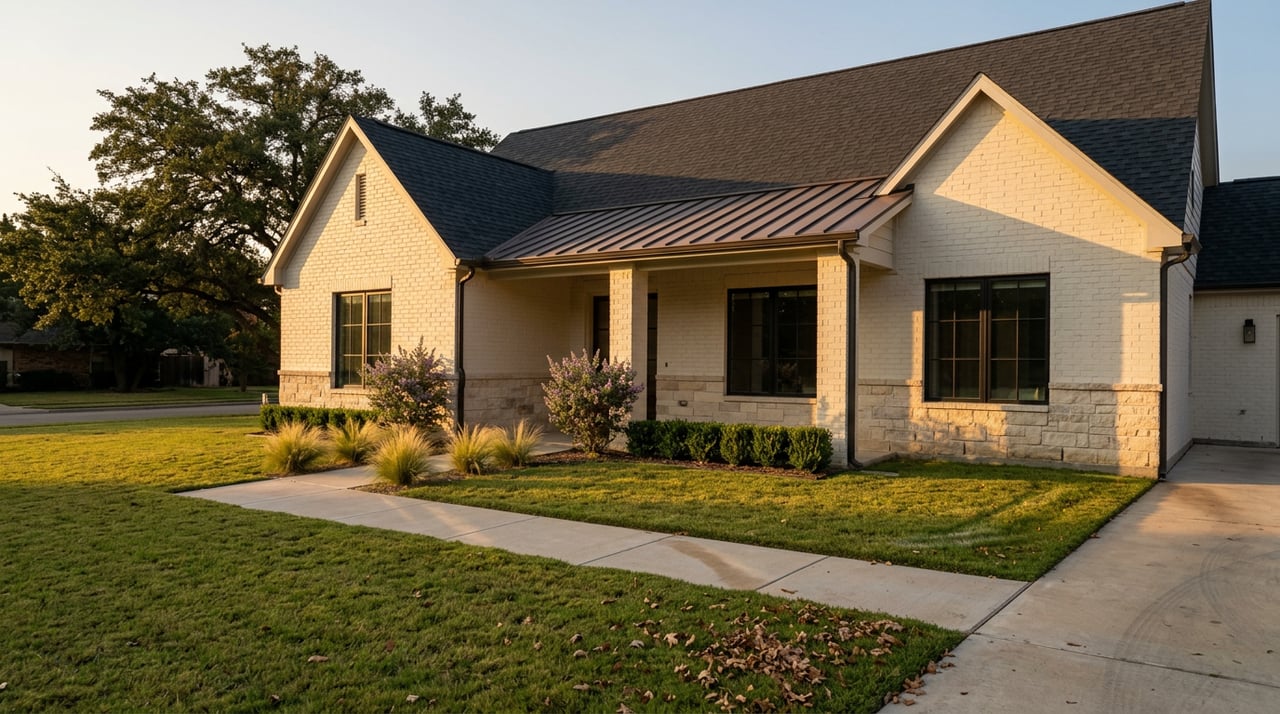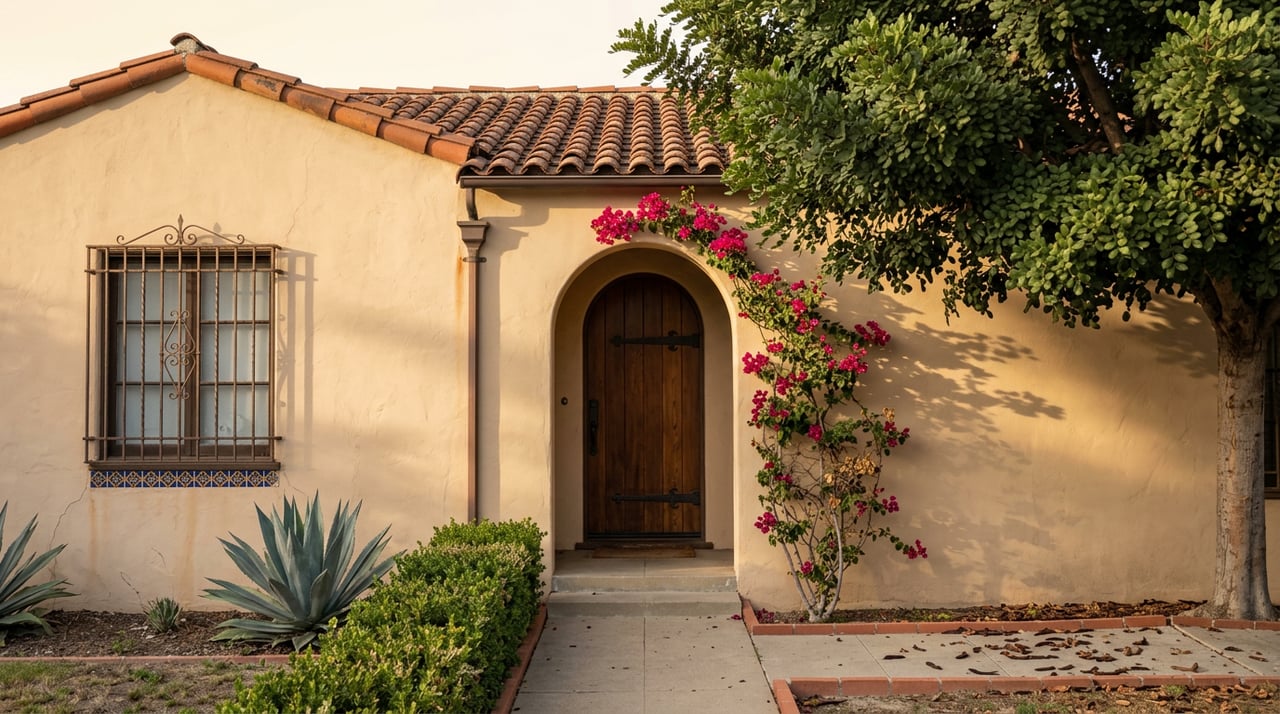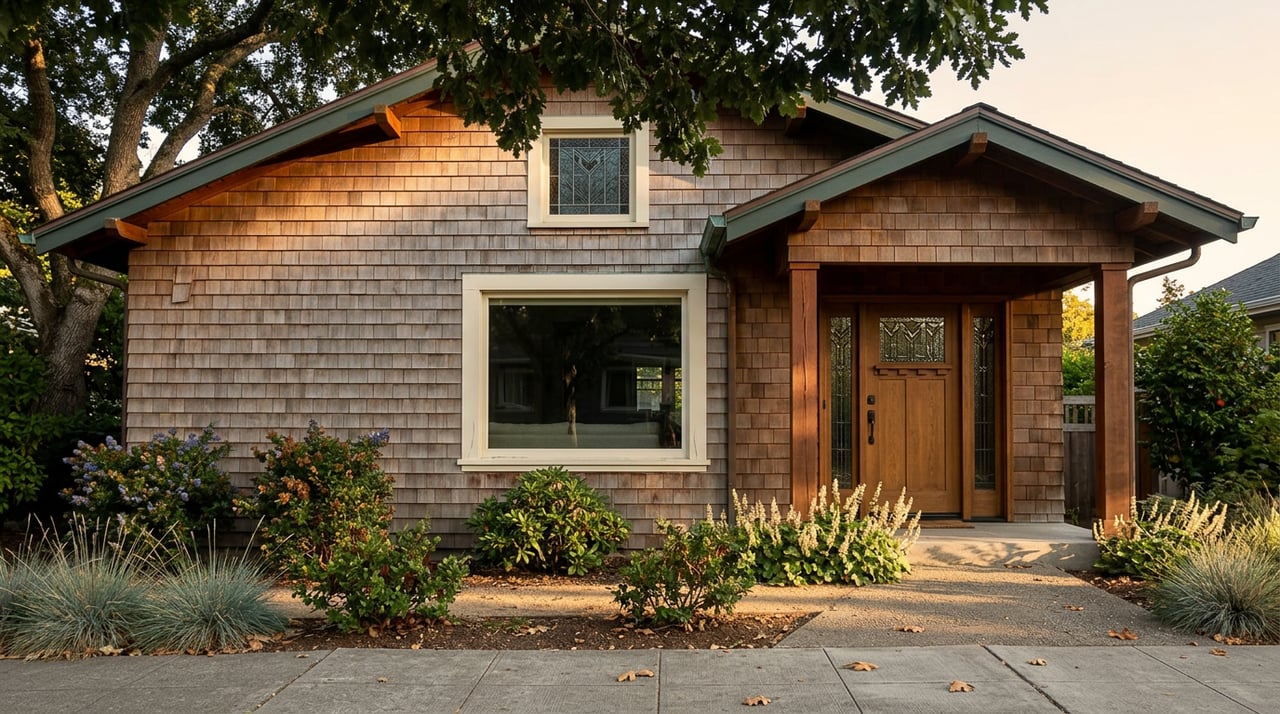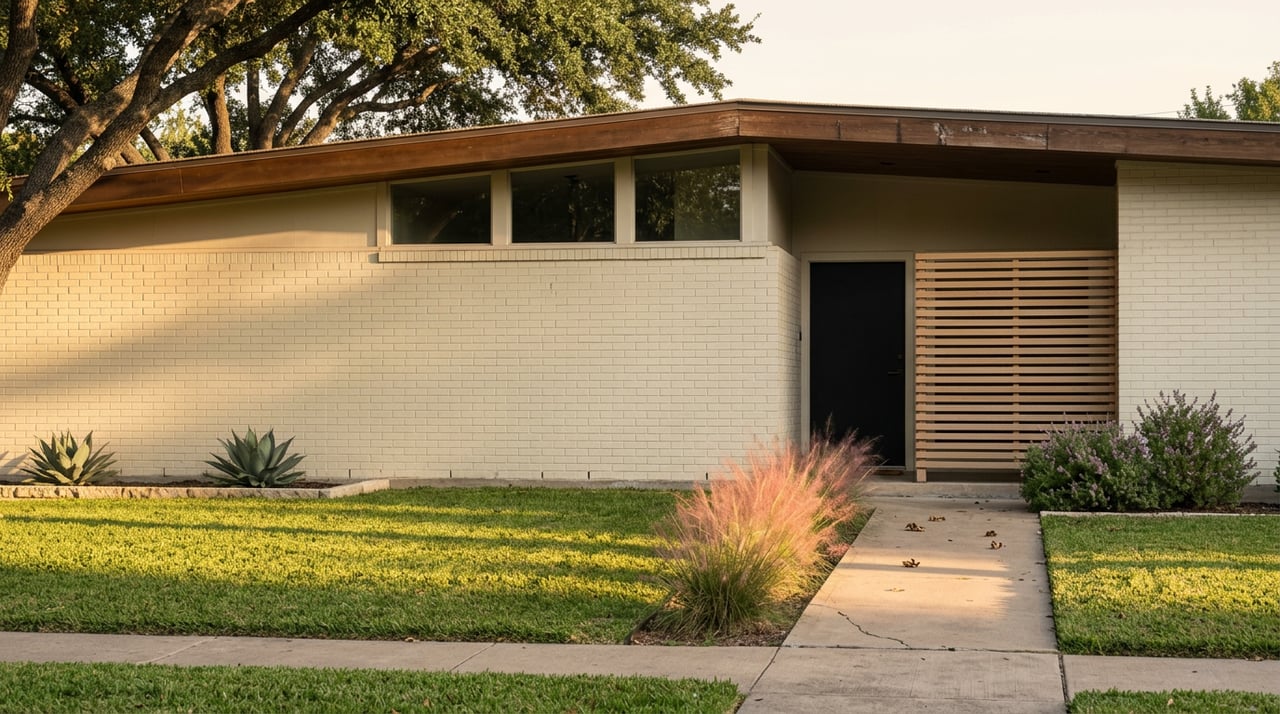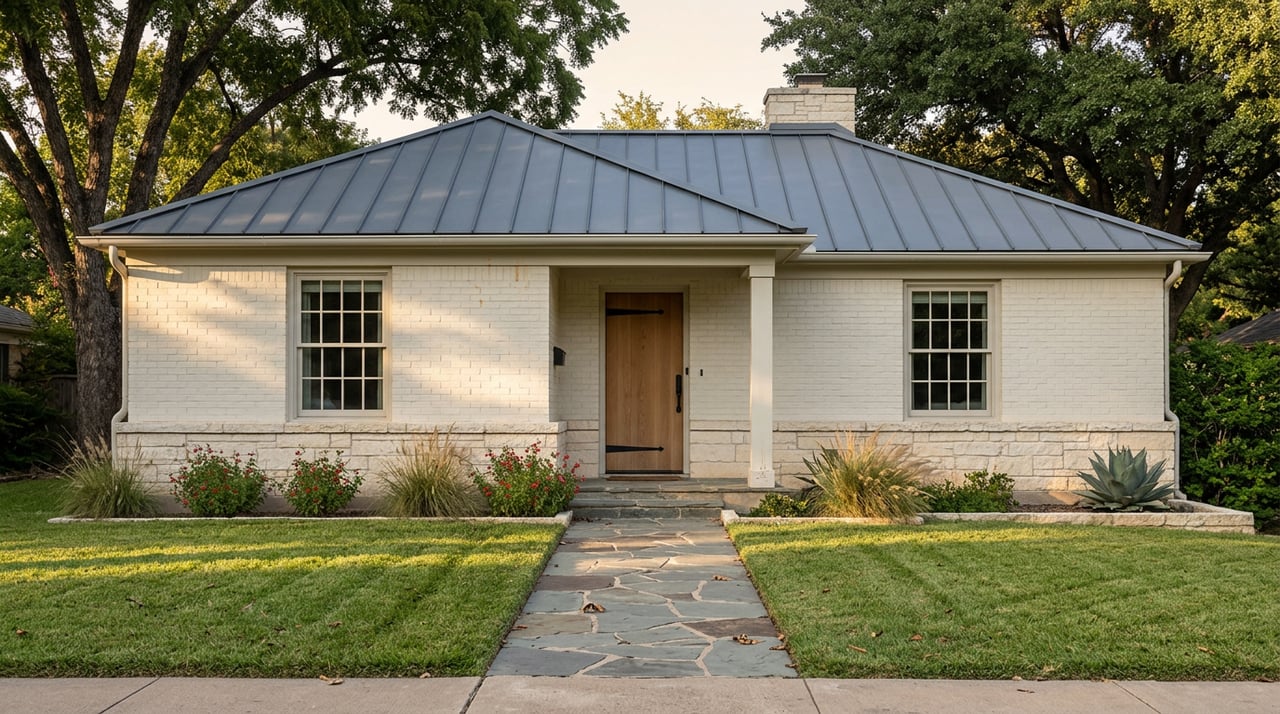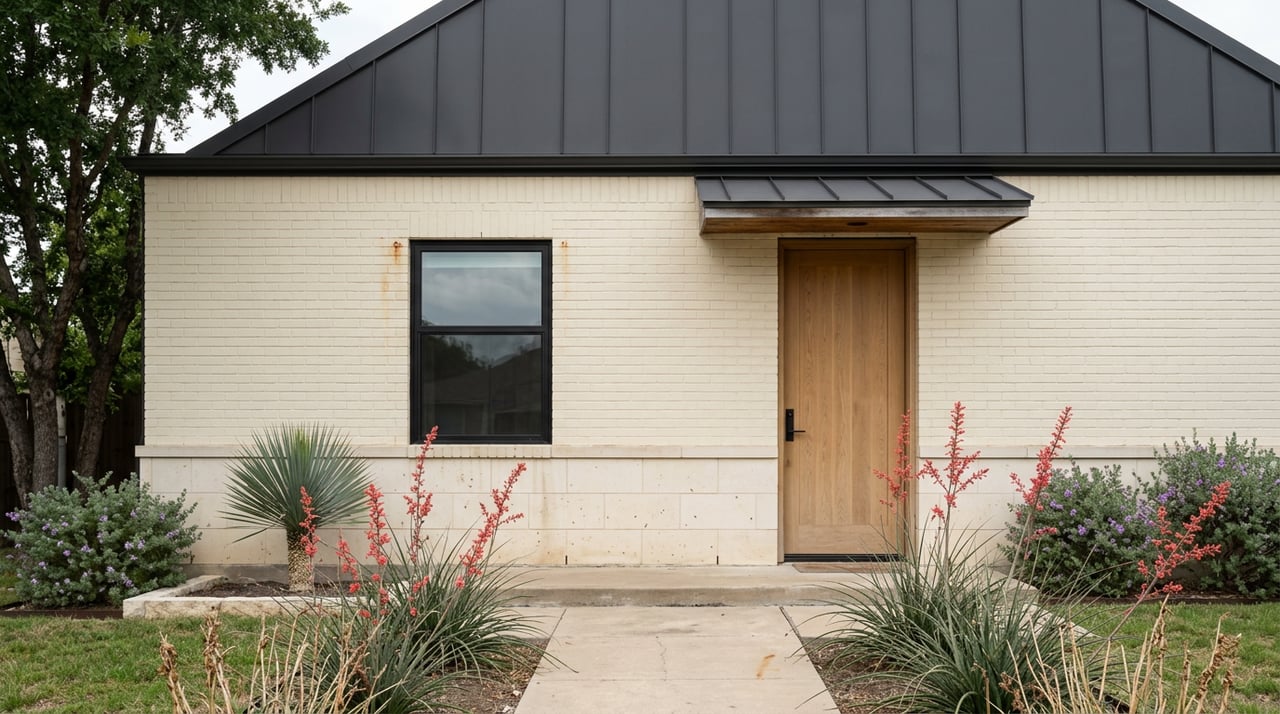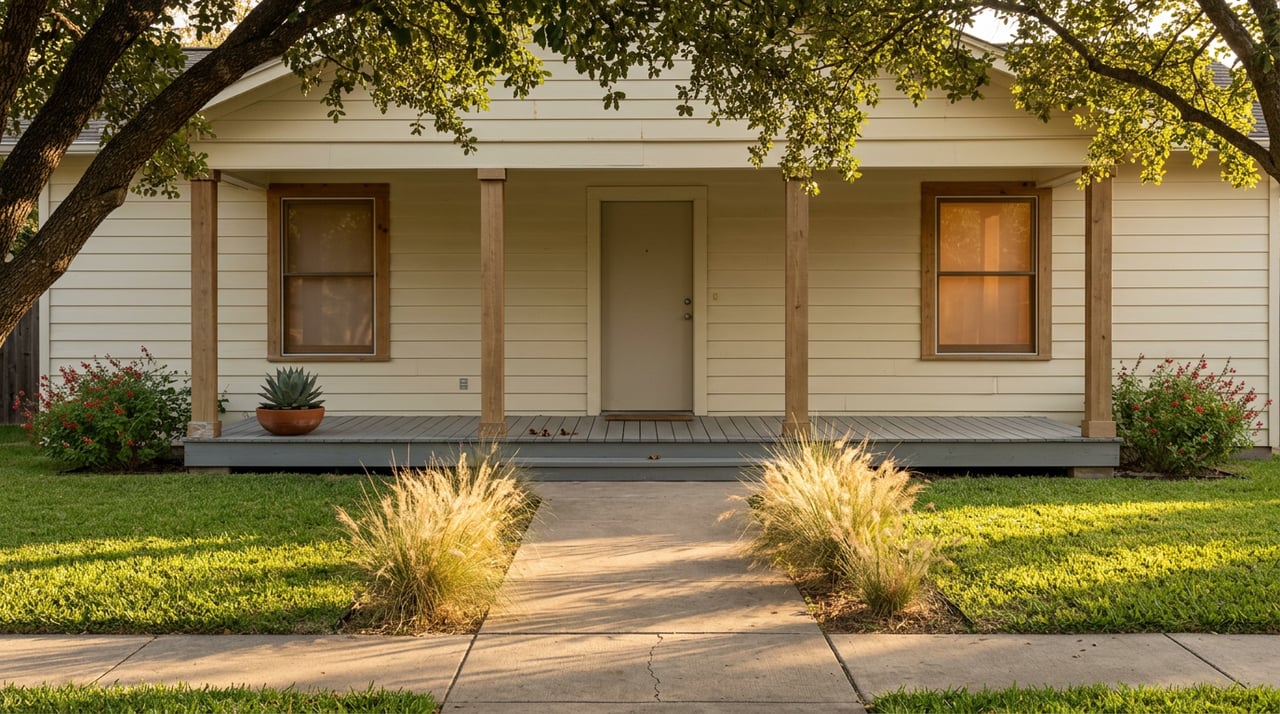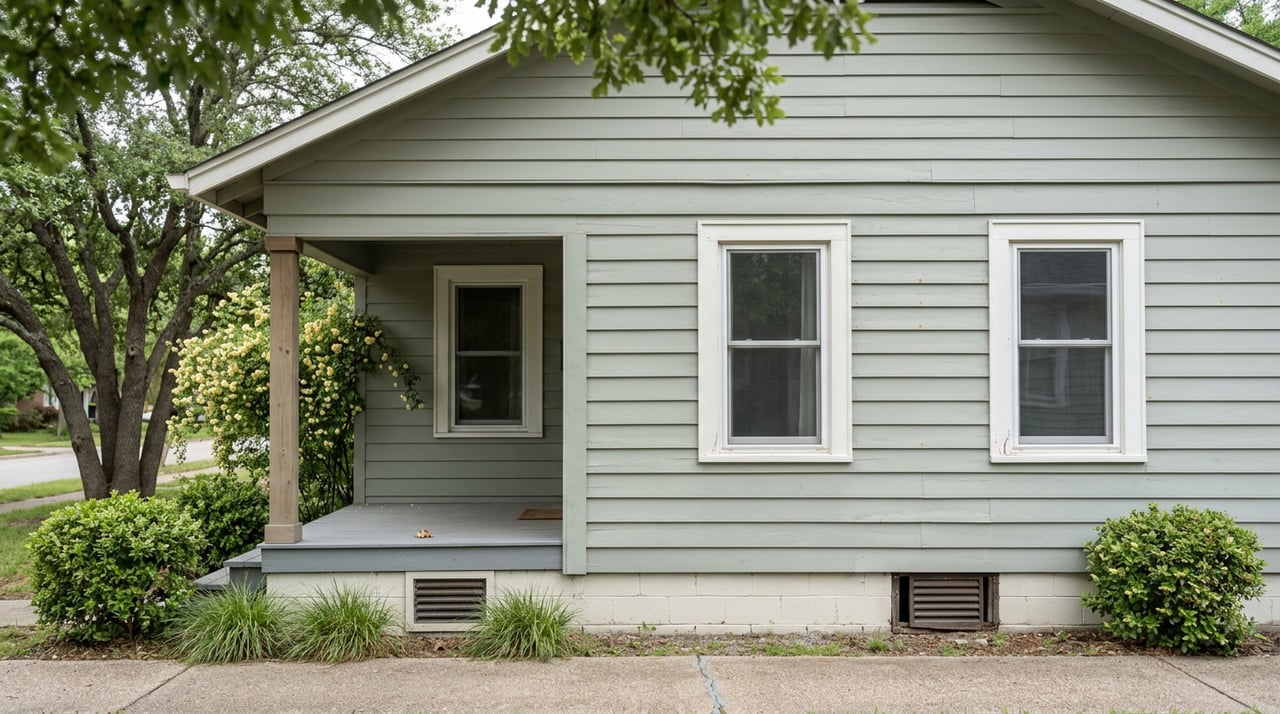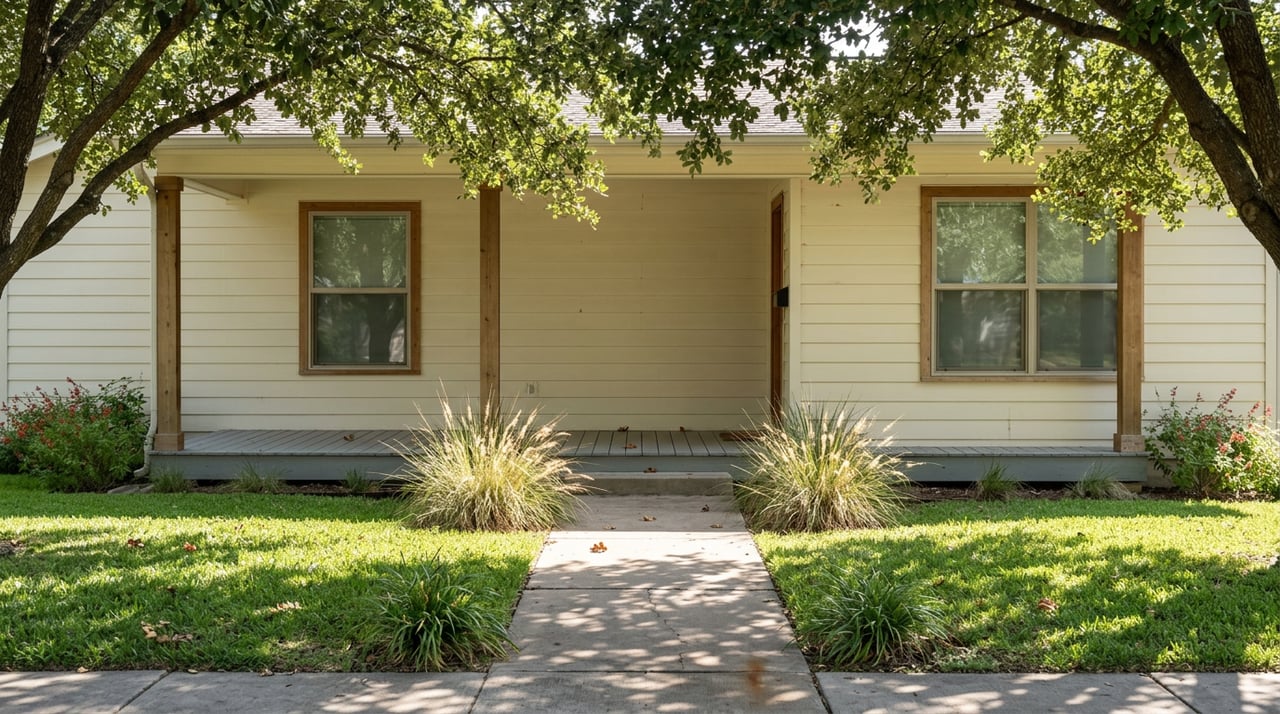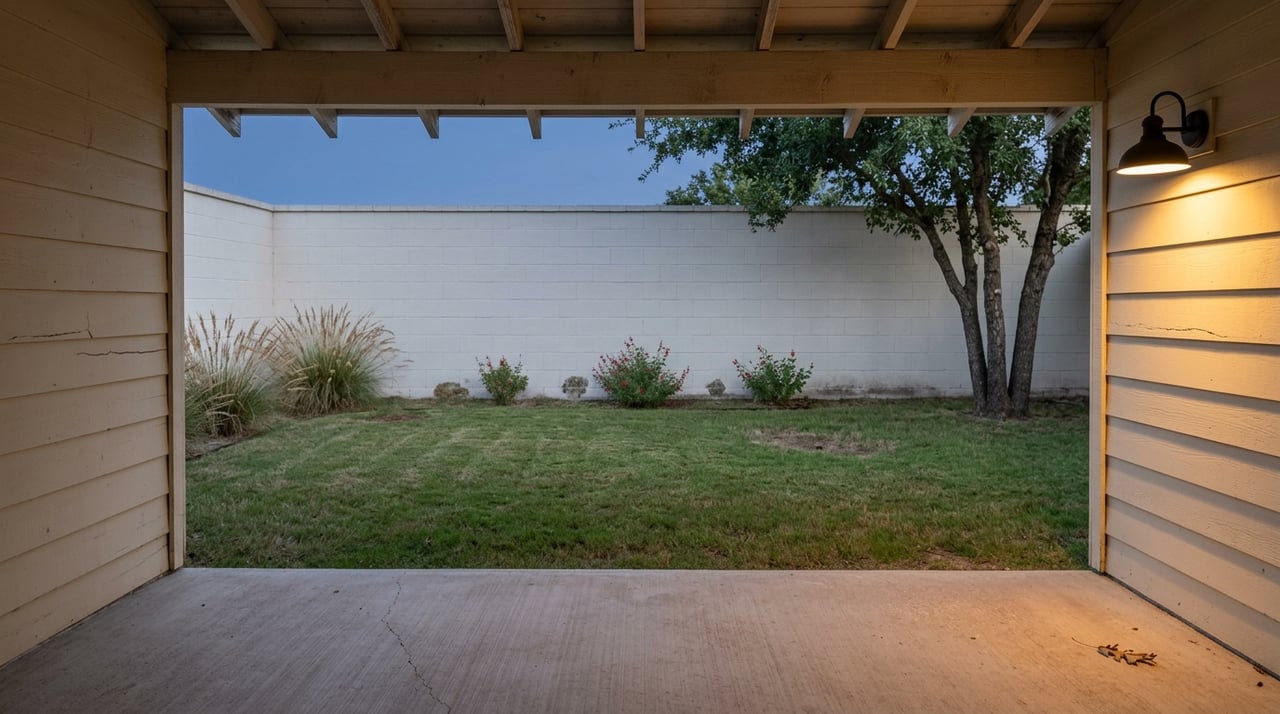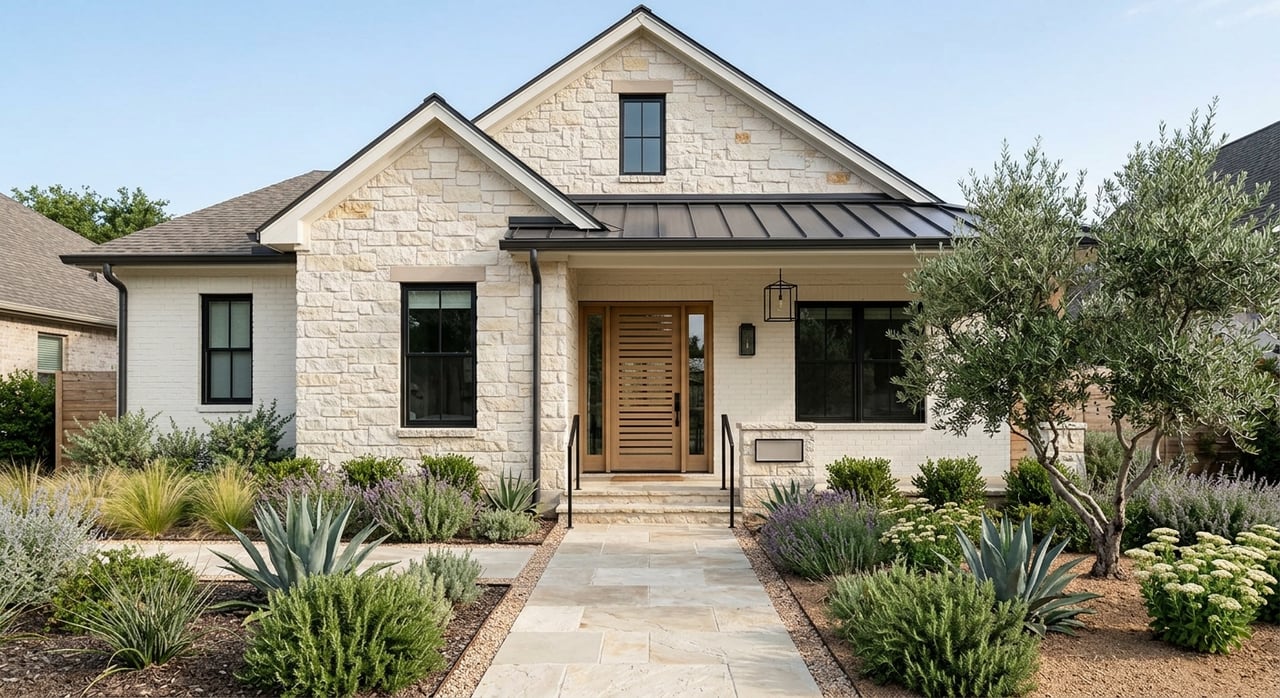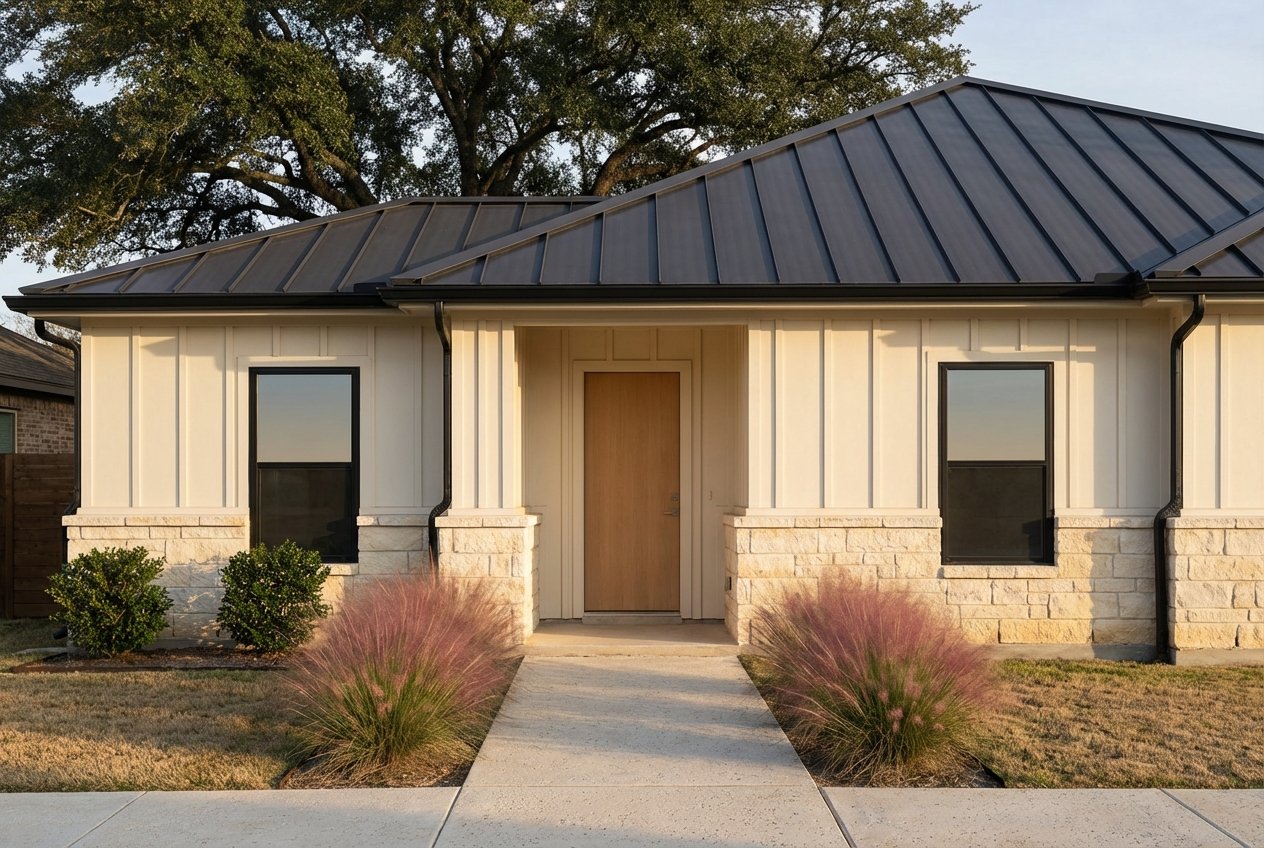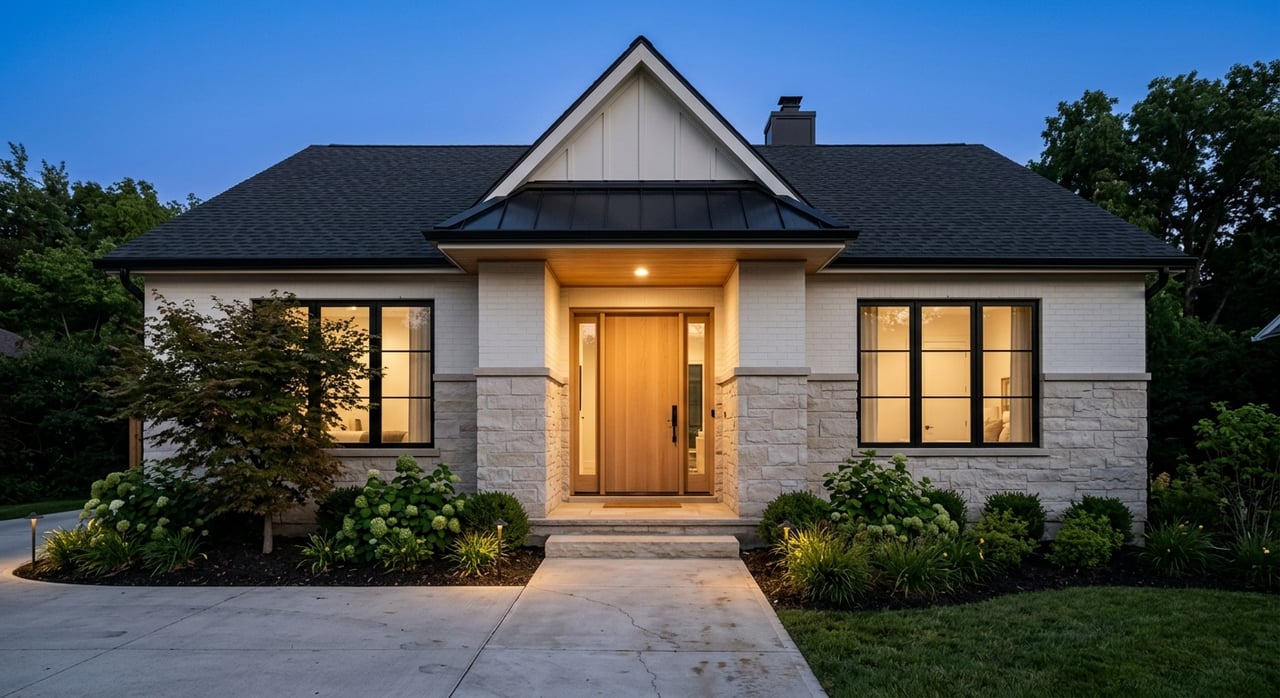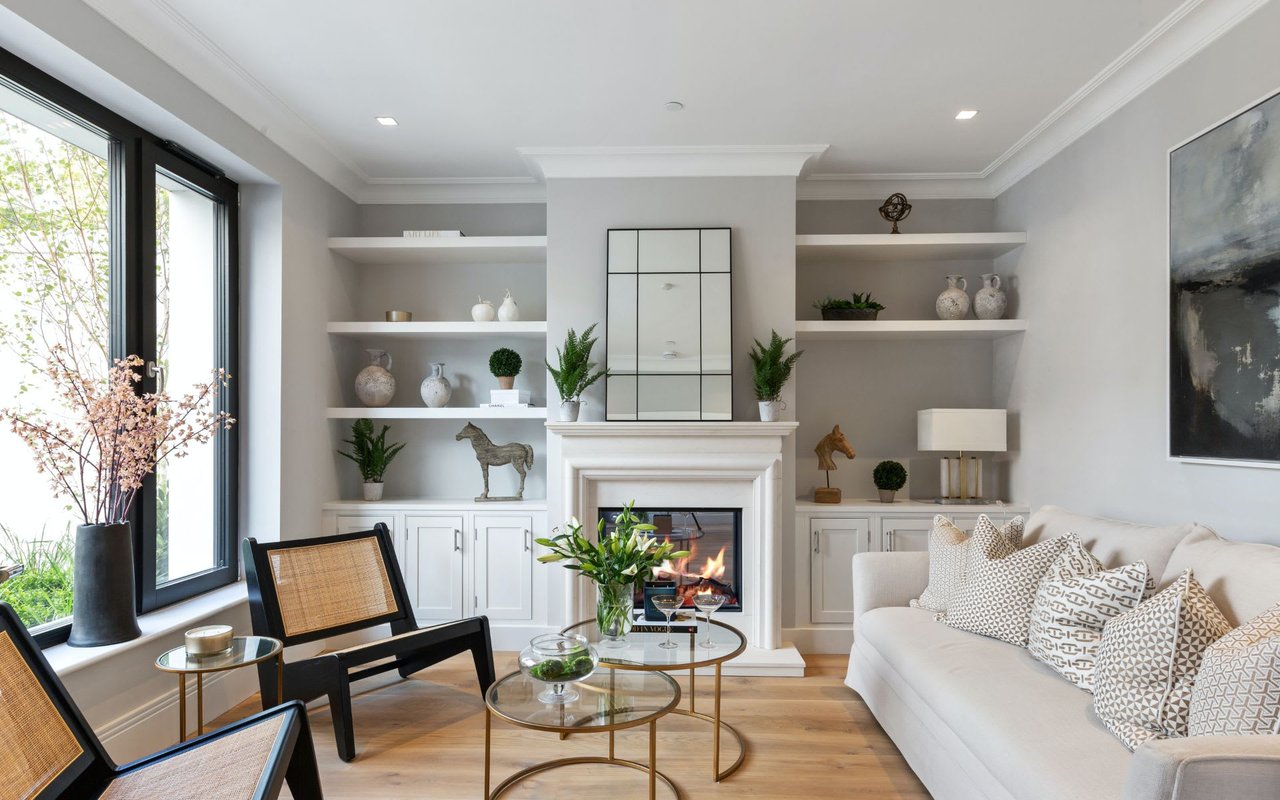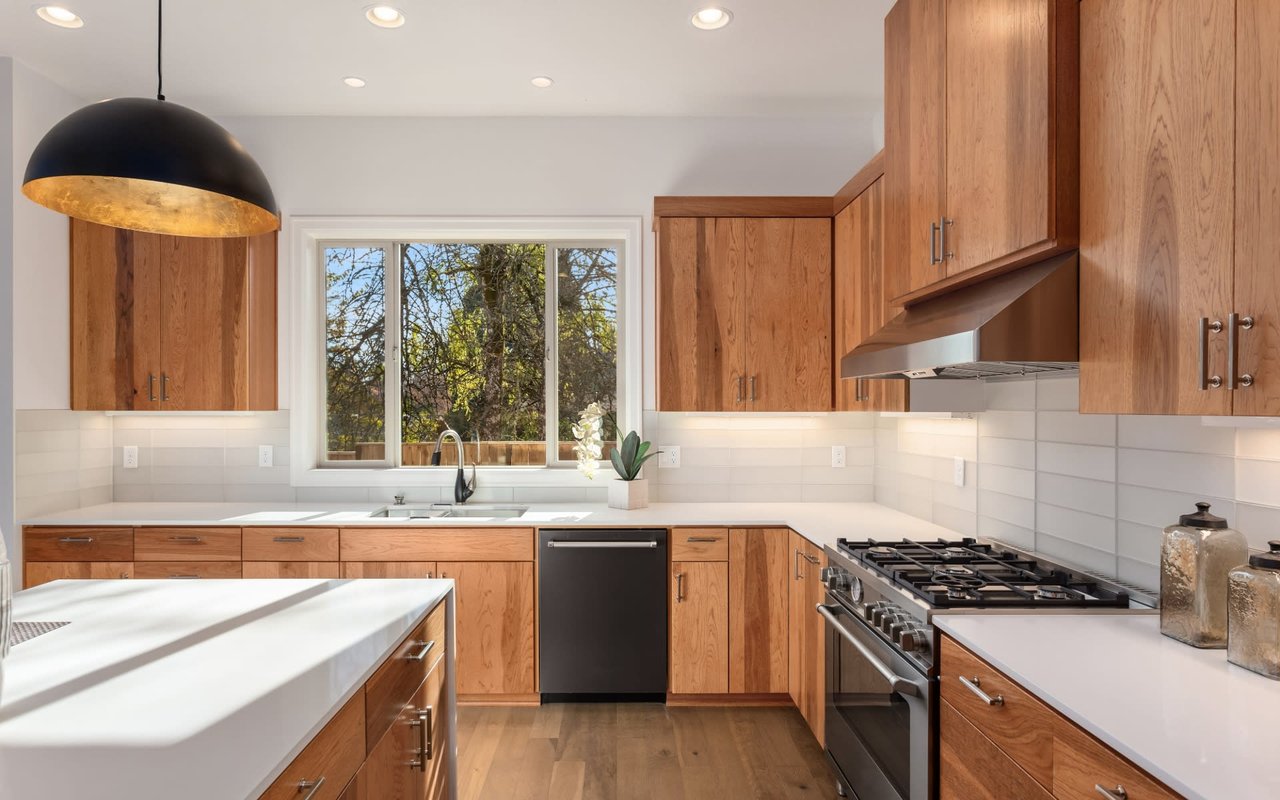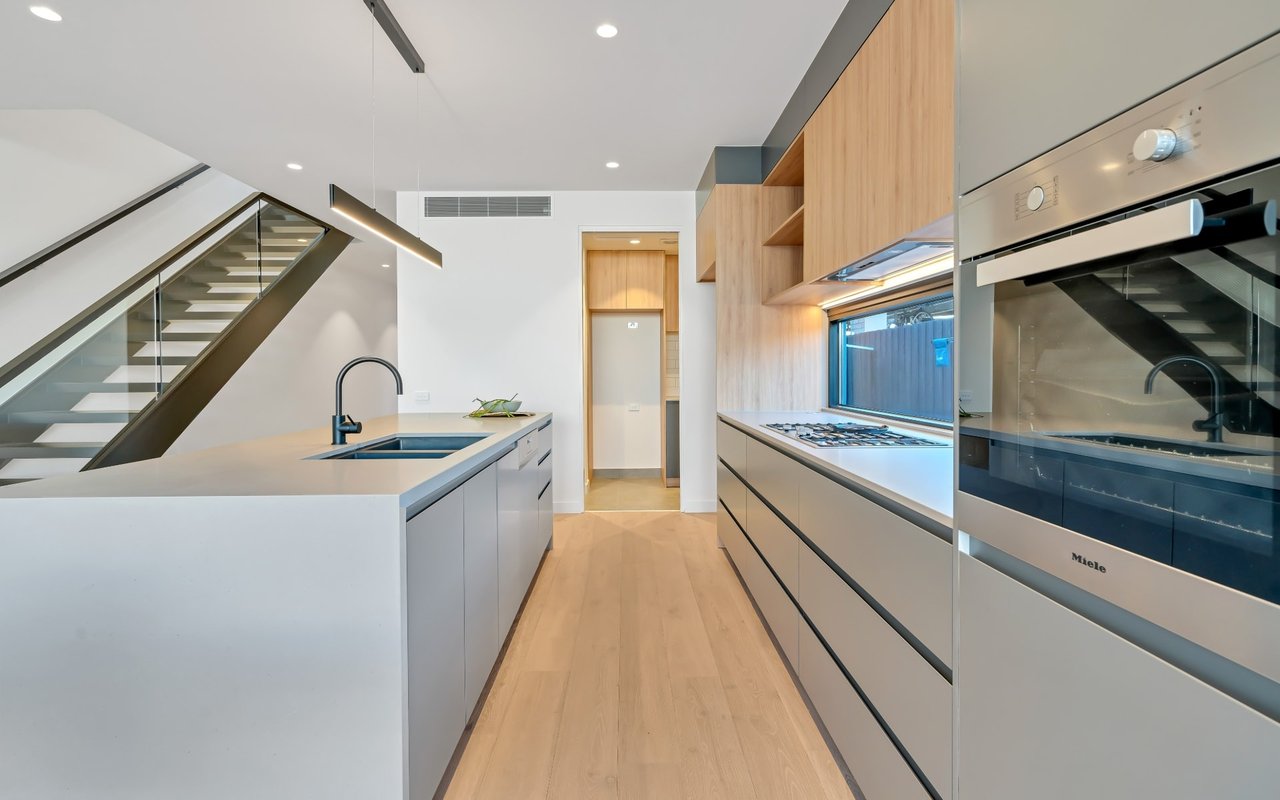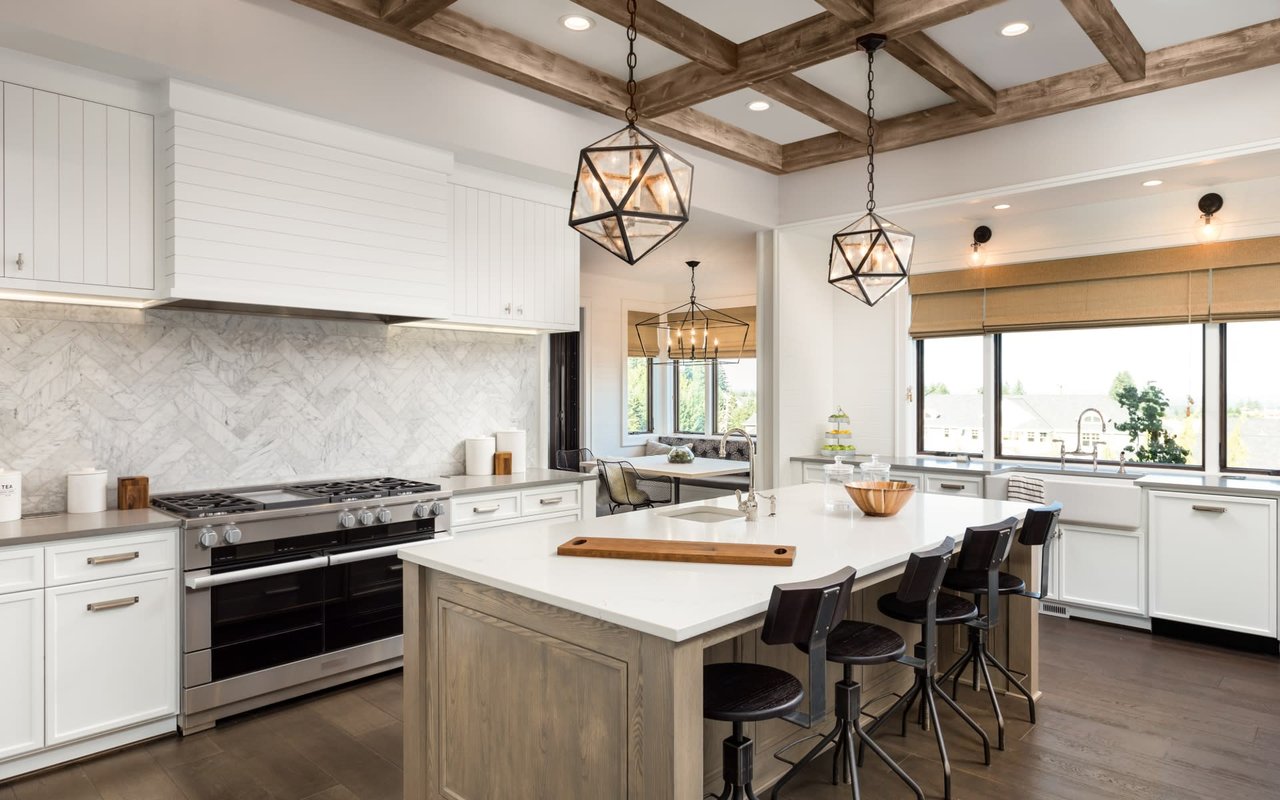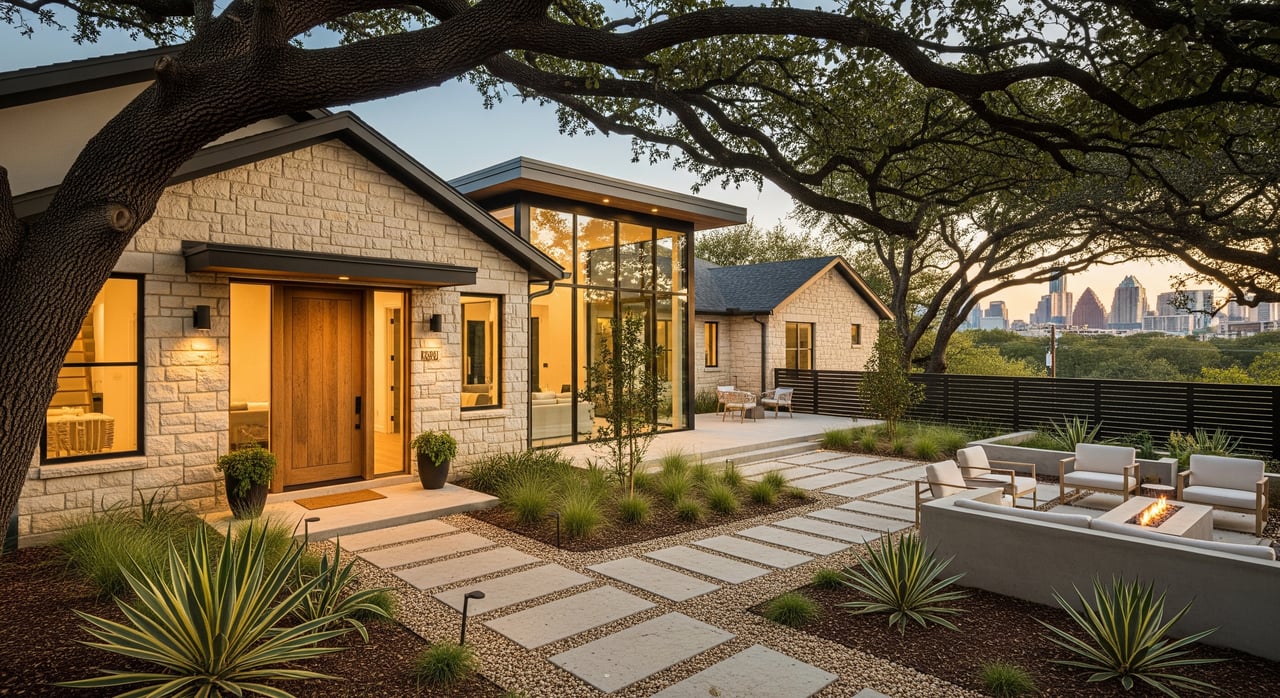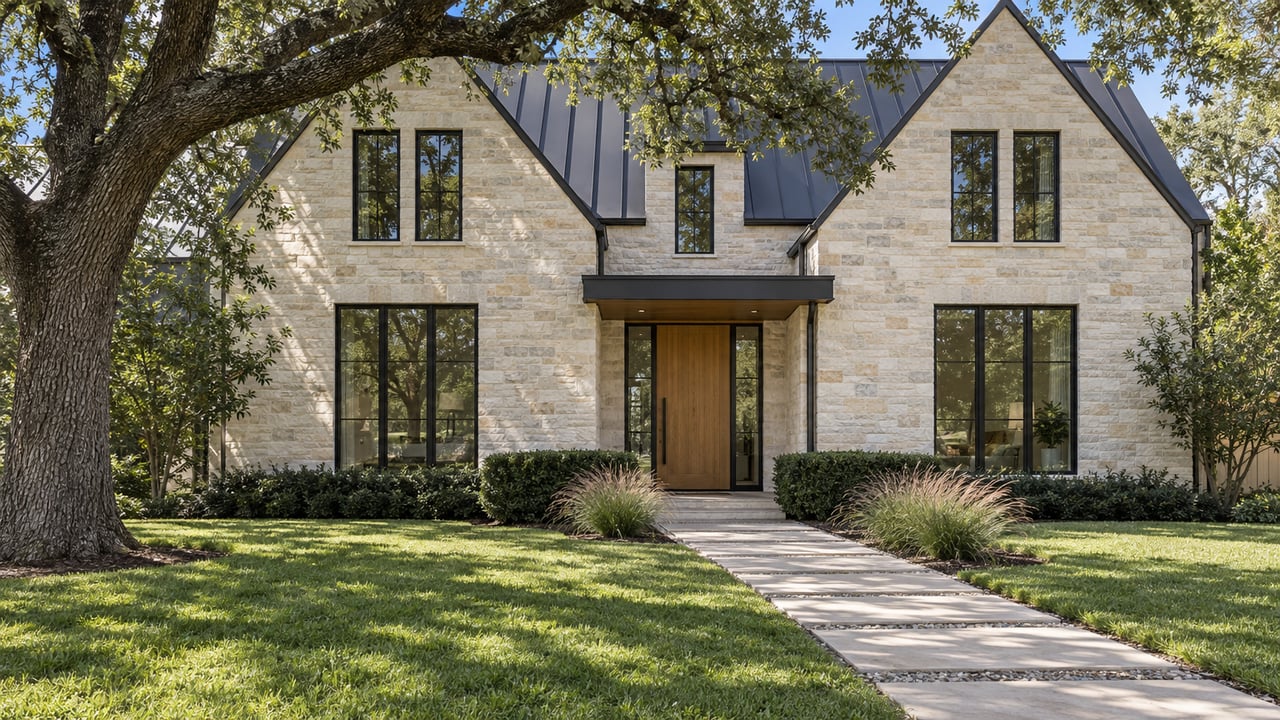
Two houses on the same Tarrytown street, both built in the 1940s, both around 1,200 square feet, both sitting on lots that look identical from the sidewalk. One draws a clean offer from a builder. The other draws a lower one, or a long silence. Nothing about the houses explains the gap, because the houses are not what is being bought.
What is being bought is the program: how many units can go back on the dirt, how much enclosed square footage the city will permit, and how much of the lot the tree canopy leaves available. Price follows that answer. And the thing most likely to change that answer in West Austin is not on the zoning map. It is a document recorded decades ago that the city will never check for you.
The deal does not die at the appraisal. It dies at the title company.
Austin's own guidance is blunt about the division of labor. Deed restrictions run with the land and are enforced by the parties named in them, not by the city, and permitting staff must approve a building permit that complies with the Land Development Code even when the plan conflicts with a recorded restriction. A permit, in other words, is not a verdict. The city has since updated its residential new construction and addition application to make the applicant acknowledge any restrictions on the property and accept responsibility for conflicts between those restrictions and the proposed development.
That responsibility surfaces at a specific moment. Once a property goes through title, the buyer, seller, title insurer and lender all see the covenants, and in most cases a title company will not insure a title where the restrictions conflict with the buyer's development plans. Ashby McDonald of Highlander Mortgage described the underwriting posture to the Austin Bulldog in February 2025 in one line:
"If it's in black and white that something can't be done, we're not going to lend on something like that."
For a seller, that is the whole risk profile of a builder's offer compressed into a sentence. An offer priced on a two-unit or split-lot plan is an offer contingent on a lender and a title company agreeing that the plan is clean. If it is not, the offer was never the number you thought it was.
A restriction from another era already beat the zoning code once
In August 2023, a Travis County district judge ruled against the City of Austin over construction on a roughly 4,200 square foot lot at 3000 Funston Street in Brykerwoods. A recorded Brykerwoods restriction requires at least 5,750 square feet of land to build a home. Judge Maya Guerra Gamble found the neighbors would suffer irreparable harm if the city bypassed the neighborhood's rules, ruled against the city, and ordered it to pay roughly $200,000 in the neighbor's attorney's fees. As KUT put it in reporting the decision, deed restrictions trump city zoning rules in court.
Hold that number next to the current code. HOME Phase 2, adopted May 16, 2024, created a small lot single-family use permitting one unit on lots of at least 1,800 and less than 5,750 square feet. The city moved its floor to 1,800. Some recorded West Austin paper still says 5,750. Both are true at once, and only one of them is enforced by a judge.
The argument is live, not theoretical. The Austin Monitor reported that, in Elm Wood Estates, covenants from 1953 capped each original lot at no more than two houses. Developers sought resubdivision and at least eight houses and told the court that HOME could allow as many as 36 units on the land; homeowners sued privately, and one developer settled at two houses per lot. The interpretive question underneath it applies anywhere covenants and HOME meet: if a lot can now be split three ways, does a two-units-per-lot covenant become six, or does the original lot math still govern?
One caution worth stating plainly, because the opposite claim gets made casually. In Texas, these documents may have been passed from owner to owner for almost a century, each subdivision carries its own set of rules, and the terms can vary from lot to lot. Nothing here establishes that a given Tarrytown or Pemberton Heights lot carries a single dwelling restriction. It establishes that the question has to be asked of the specific parcel, in the Travis County Clerk's records, before anyone prices it.
The four caps a builder underwrites before making an offer
Tarrytown sits inside the Subchapter F boundary, a large central Austin area whose edges run along Highway 183, Ben White Boulevard, South I-35, William Cannon Drive, Manchaca Road and Loop 360, and which takes in the land between Loop 1 and Loop 360 north of the Colorado River. That single fact governs the math.
| Constraint | The current rule | Where it bites on a Tarrytown lot |
|---|---|---|
| Gross floor area | The greater of a 0.4 to 1.0 floor to area ratio or 2,300 square feet | Garages, lofts and mezzanines count as enclosed space; open sided carports and porches do not, and double height space counts once |
| Height | 32 feet for single-family use | Three stories only work where the floor area budget and coverage allow it |
| Unit count | Up to three units on SF-1, SF-2 and SF-3 under HOME Phase 1; one unit on a small lot of 1,800 to under 5,750 square feet under Phase 2 | Phase 1 needs no new lot; Phase 2 generally needs a subdivision or replat, which is where private covenants enter |
| Coverage | For duplex, two-unit and three-unit uses, 40 percent building coverage and 45 percent impervious cover, with garages and carports counting toward both | Driveways and parking eat the budget on deep lots with long approaches |
Then there is the canopy, which on many of these lots is the real site plan. Austin's City Arborist guidance defines a protected tree as any species 19 inches or more in diameter measured 4.5 feet above the ground. The Austin Environmental Board presentation describes a heritage tree as 24 inches or larger and in a listed group that includes all oaks, pecan, cedar elm, American elm, Texas ash, bald cypress, Texas madrone, bigtooth maple, Arizona walnut and eastern black walnut. Heritage removal is prohibited absent an approved variance, mitigation runs at 100 percent of removed diameter inches for protected trees and 300 percent for heritage trees, and a variance applicant has to show that alternatives were sought and that the removal is not a consequence of the development method chosen. The critical root zone radius in feet equals the trunk diameter in inches, as set out in the city's residential tree guidance; no impact is allowed in the inner quarter of that zone, and half the ground area of the full zone has to stay preserved. A mature live oak in the middle of a Tarrytown back yard does not reduce the floor area budget. It relocates it, and sometimes it makes a two-unit plan geometrically impossible while the code still says yes.
2801 Clearview Drive, told in two permits
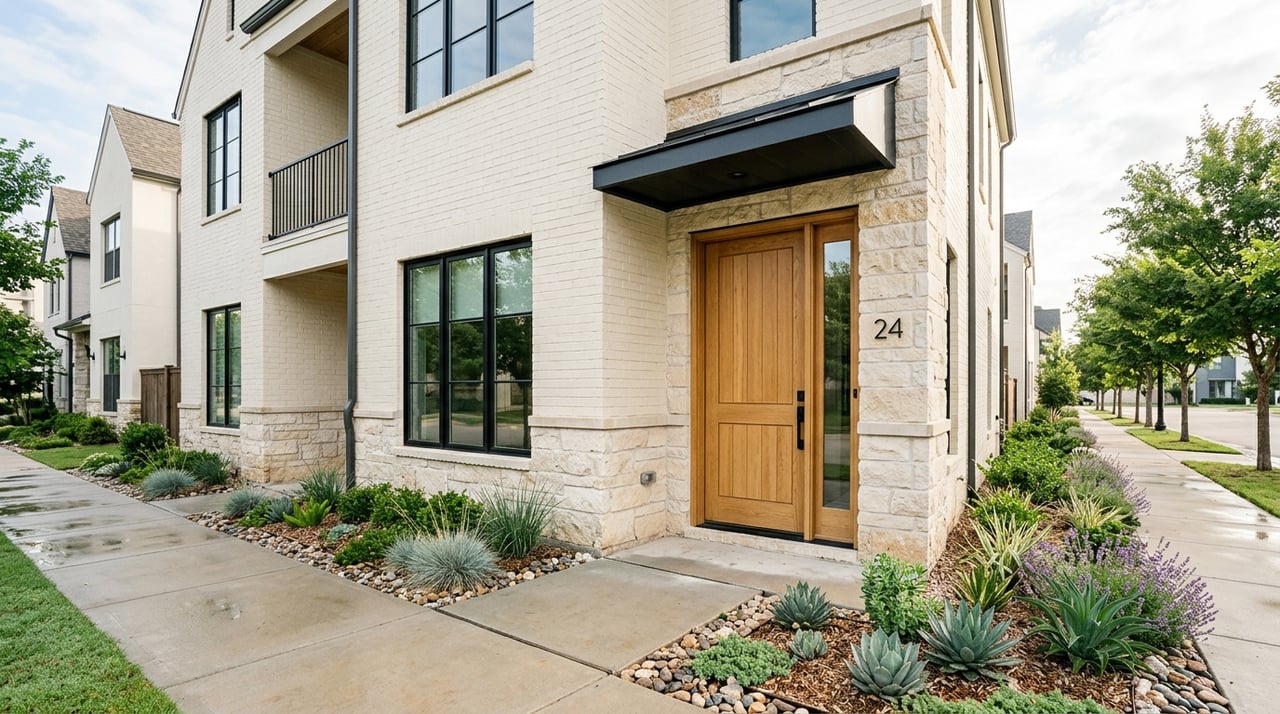
City of Austin permit records carry the pattern more clearly than any market narrative. A 3,206 square foot house built around 1946 at 2801 Clearview Drive received a total demolition permit on June 23, 2026. On September 14, 2026, the same address received new construction permits for a two-story duplex, with Vogel Builders listed as contractor. A 3,200 square foot single house came down. Two units are going back up.
It is not an isolated file. In 78703, the city issued 45 residential one and two family total demolition permits in 2025 and 41 more from January 1 through September 21, 2026, nearly matching the full-year 2025 total in less than nine months. On the construction side over the same window, the issued permits dataset shows 70 new permits classed as single family houses and 44 classed as two family buildings. Read that second figure carefully: two family permits are often issued separately for Unit A and Unit B, and some single family class records describe two-unit or accessory dwelling projects, so the honest conclusion is narrower than a ratio. Two-unit work is now a visible share of new residential construction in 78703, not a curiosity.
An absence in the same records matters as much as the counts. Searched for the language a lot split leaves behind, no 78703 permit description in that period matched a small lot, infill, replat or resubdivision filing. Citywide, the city attributed low Phase 2 activity to the small number of qualifying parcels and the complexity of the subdivision process. In this ZIP, splitting the lot is not what is getting built. Two units on an existing lot is.
The one exemption almost nobody uses
Inside the Subchapter F boundary, the floor area cap is the binding constraint on a rebuild, and HOME offers exactly one way around it. The preservation bonus can exempt the preserved portion of an existing structure from gross floor area and floor to area ratio, and it is the only such exemption available; small lot single-family use is not eligible.
As of the city's HOME data updated September 8, 2026, 904 applications had been reviewed, 714 approved and 1,421 new units approved. Eight used the preservation bonus. Eight, out of 714. The city's first year report found that bonus projects retained an average of 94 percent of the original structure, and staff flagged the tool for review after only two applications came in during the first six months.
For an owner of an intact 1940s Tarrytown house, that is the most interesting number in this post. The one mechanism that rewards keeping the original structure is sitting nearly untouched, in a neighborhood where the original structures are small and the floor area budget is the whole negotiation.
Why the falling median is not your number
The broader market is softening. In August 2026, the Austin, Round Rock and San Marcos metro median was $412,000, down 6.4 percent year over year, with 2,501 sales, down 7.3 percent. Inside the city of Austin, the median was $560,000, down 4.3 percent, on 844 sales, with active listings down 14.5 percent to 4,554 and homes selling at an average of 93.3 percent of list price against 91.6 percent a year earlier. Travis Central Appraisal District, valuing as of January 1, 2026, reported the overall roll up 5.48 percent while single family residences declined 1.8 percent on average, with the county median residential homestead market value at $493,449 against $502,253 in 2025.
None of that describes a scrape. Demolition permitting in 78703 held its pace straight through it, because a lot buyer is not pricing the median. In the higher tier the same divergence shows up: across November 2024 through October 2025, Austin area sales at $1 million and above rose 10 percent to 2,714 transactions and about $4.6 billion in volume, with average days on market falling from 95 to 75 even as inventory rose from 6.8 to 7.3 months.
There is one more reason not to reach for a tidy land number. TCAD cautions that its split between land and improvement value holds only under the property's existing program of utilization, and that the separate estimates are invalid when applied to a different one. The land line on your appraisal notice was calculated for the house standing today. A builder is pricing a different house entirely.
The sequence to run before you answer a builder
- Pull the recorded restrictions for your specific parcel from the Travis County Clerk's records, not for the subdivision generally. Terms vary lot to lot.
- Confirm your zoning district and your lot area, then establish which HOME path a buyer would use: up to three units on the existing lot under Phase 1, or a small lot split under Phase 2 that requires a replat.
- Have a floor area budget calculated under the greater of 0.4 FAR or 2,300 square feet, with garages and enclosed space counted in.
- Get a tree survey with diameters and critical root zones mapped before the lot is marketed, not during the buyer's due diligence.
- Ask whether the preservation bonus changes the math for your house. If your existing structure is sound, the exemption may be worth more than the demolition.
- Price the offer you receive against the plan behind it, and ask whether that plan can clear title review and underwriting.
Sellers who run that sequence first are negotiating with the same information the builder has. Sellers who skip it learn the answer during the option period, from the other side of the table. Buyers looking at the same question from the other direction may find our note on what bungalow buyers discover during the option period a useful companion.
Quick answers
Does the city check deed restrictions before issuing my permit? No. Austin must approve a permit that complies with the Land Development Code even when it conflicts with a private restriction, and enforcement is left to the parties named in the document.
Can any Tarrytown lot be split into 1,800 square foot lots now? The code allows small lot single-family use on lots from 1,800 to under 5,750 square feet, and creating such a lot generally requires a subdivision application. Whether it can happen on a particular parcel depends on the lot, the zoning, and any recorded restriction.
Do the heritage tree rules apply to a tree I planted myself? The thresholds are about size and species, not origin: 19 inches in diameter for a protected tree, 24 inches for a heritage tree in the listed species group.
This is market and process guidance, not legal or title advice. The parcel-specific questions belong with a title company and, where a covenant is in play, an attorney.
If you own an original house in Tarrytown and a builder has approached you, the useful first step is a clear read on your own lot: its floor area budget, its canopy, and its paper. Christopher Harris Homes will put that picture together with you before a number gets discussed. Start with a home valuation, and bring the questions you have not been able to answer yet.