Deciding between Mueller and East Austin can feel like choosing between two great versions of Austin living. You might want walkability, parks, and newer homes, but you also love the creative energy of restaurants, music, and local culture. In this guide, you’ll get a clear, side-by-side look at prices, housing types, daily life, transit, and the trade-offs that matter most. Let’s dive in.
Quick snapshot: price, feel, and fit
Mueller is a master-planned, mixed-use neighborhood with integrated parks, shops, and community amenities. It was built for walkability and everyday convenience, with a long-running affordable-housing program and a strong town-center feel. You can preview the neighborhood’s design and offerings on the official Mueller site.
East Austin is a broader set of neighborhoods east of I-35. You’ll find older bungalows, heavy infill, and some of the city’s most talked-about food and cultural venues. Restaurant and nightlife coverage consistently ranks East Austin as a destination, as highlighted by Eater’s citywide guide.
Date-stamped pricing to frame expectations: recent neighborhood reporting in 2025 placed Mueller’s median sold prices roughly in the $800,000 to $875,000 range for many single-family closings. For East Austin as a neighborhood aggregate, Redfin reported a median sale price of about $525,000 in January 2026. Product mix varies, so expect differences block by block.
Housing types and lot patterns
Mueller: newer builds and townhomes
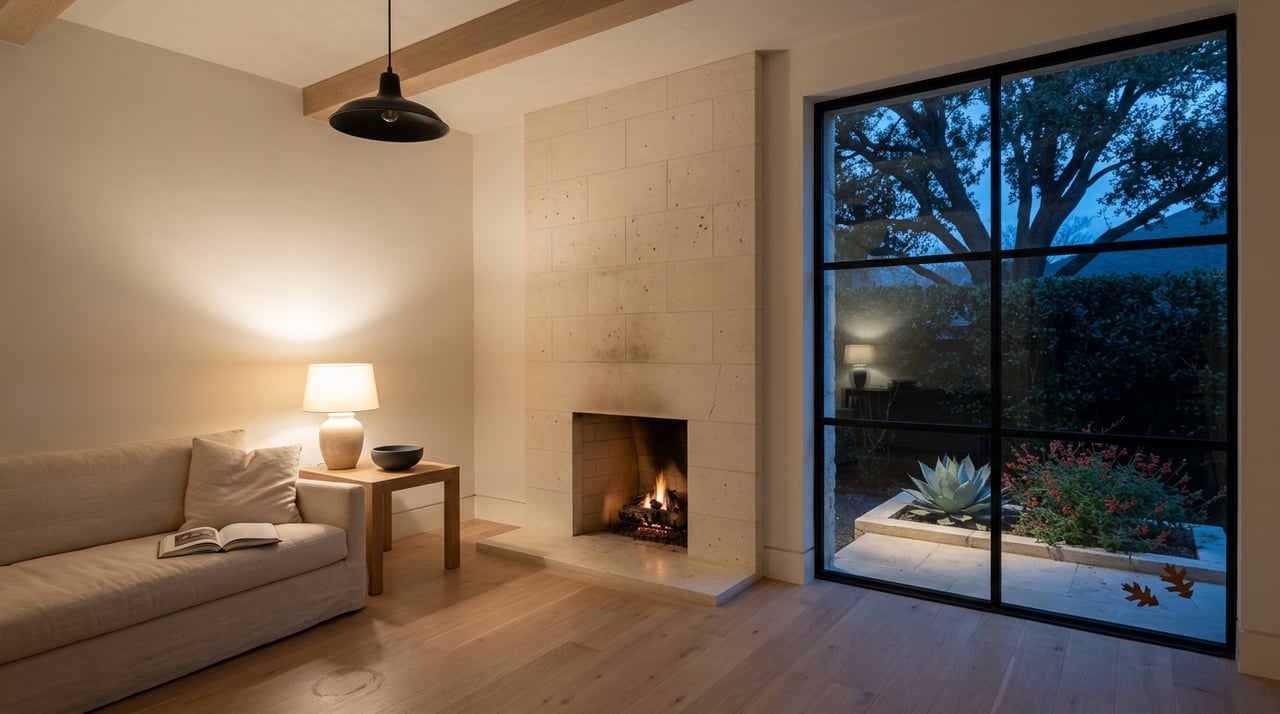
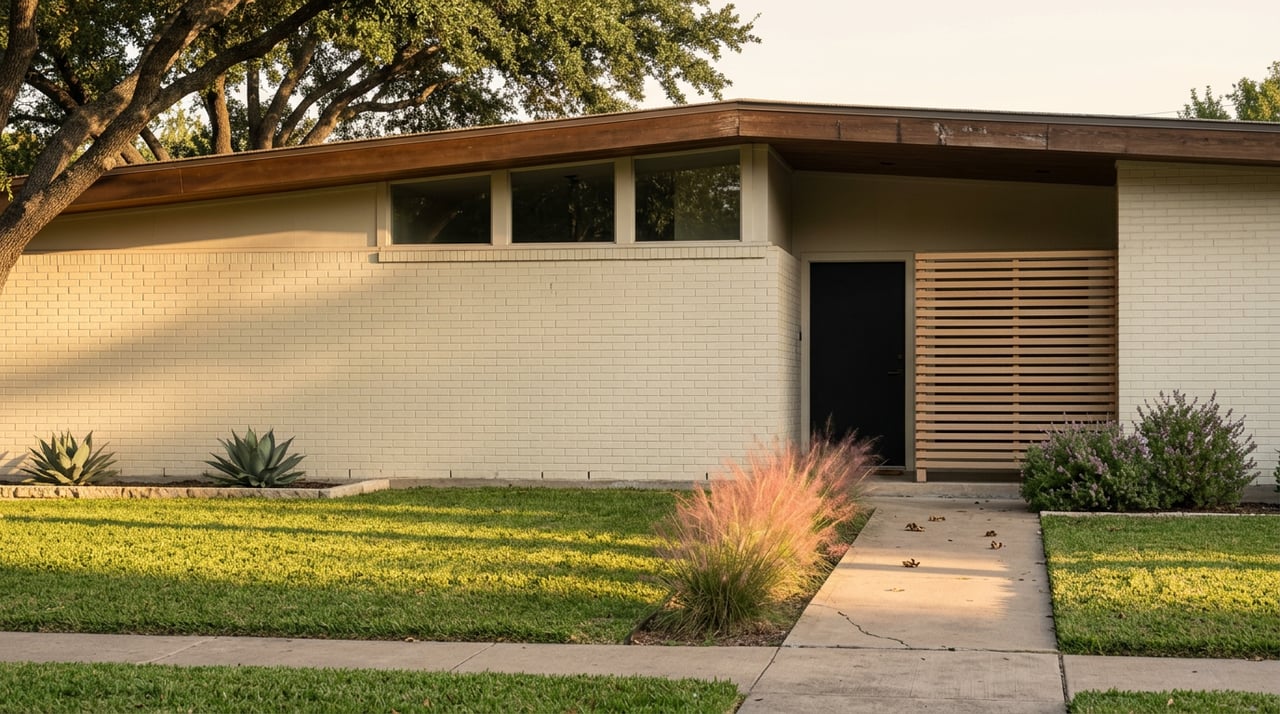
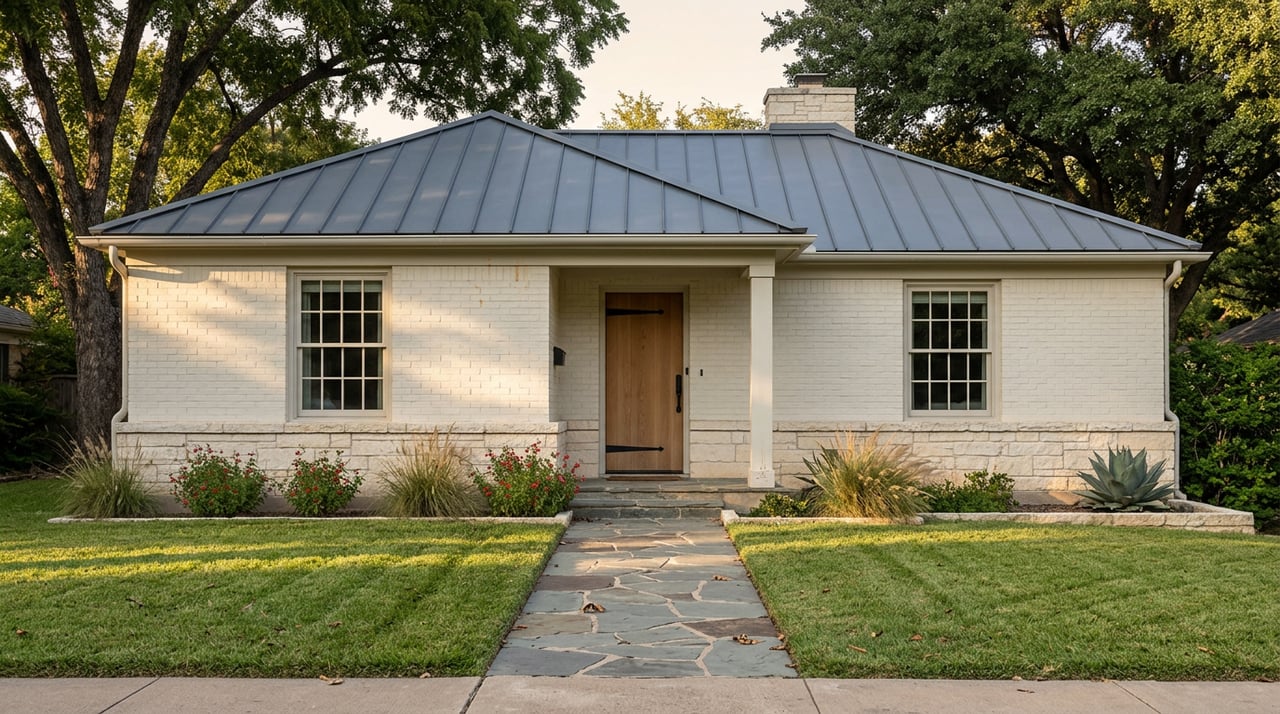
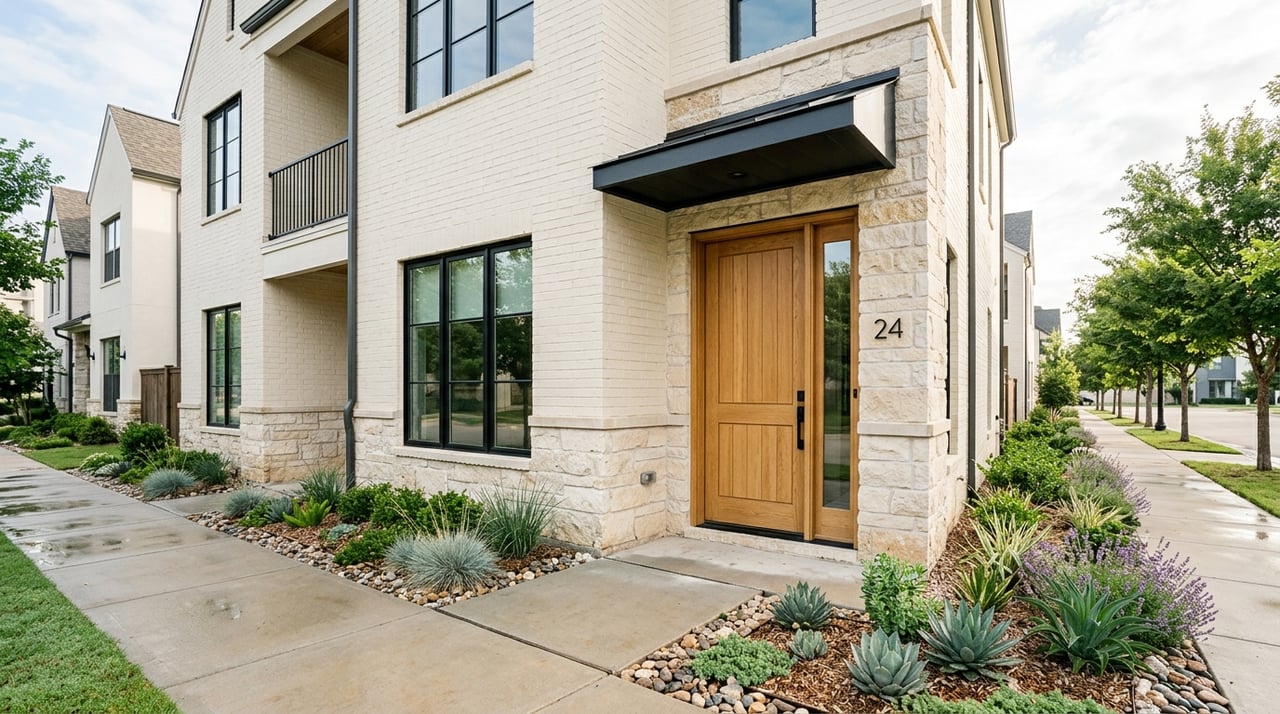
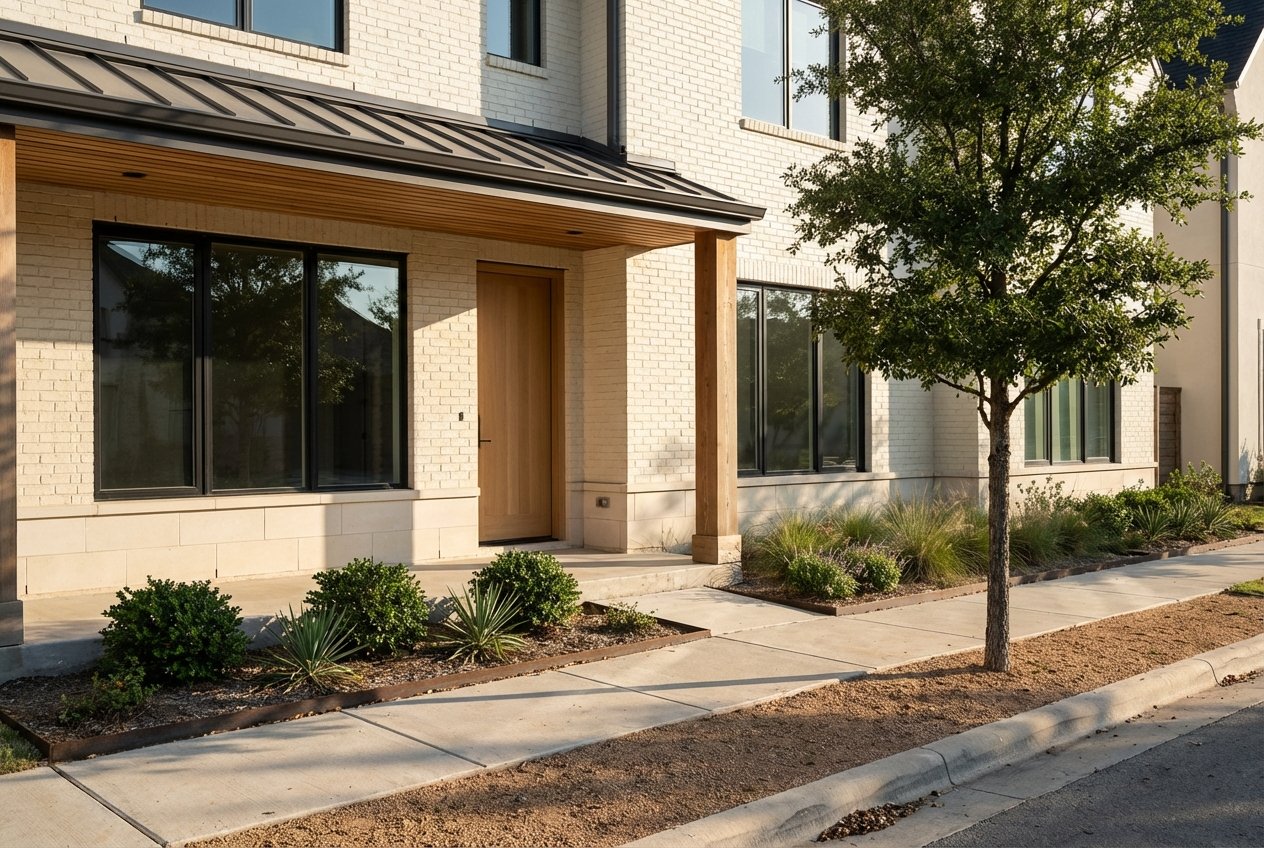
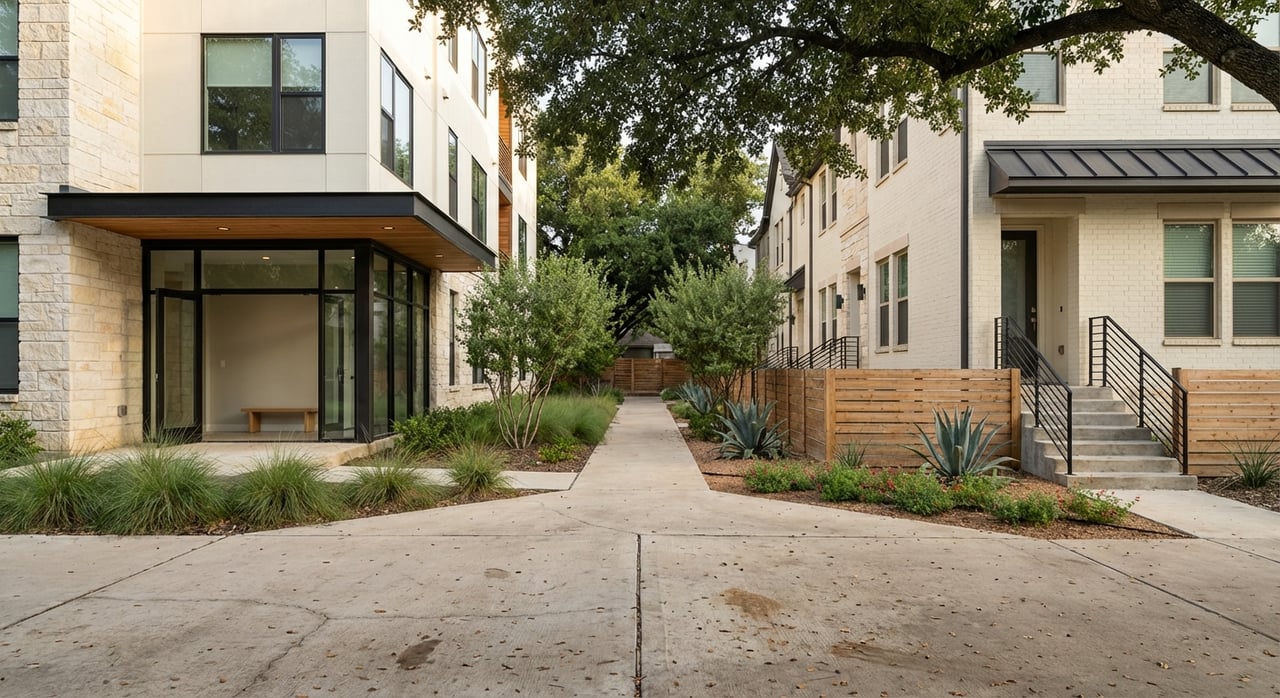
Mueller offers a high share of new and recent construction. You’ll see single-family “yard homes,” townhomes and rowhouses, condos, and purpose-built apartment communities. The plan deliberately mixes for-sale and rental options alongside larger anchors like Dell Children’s and the Thinkery. Explore the neighborhood mix on the Mueller overview.
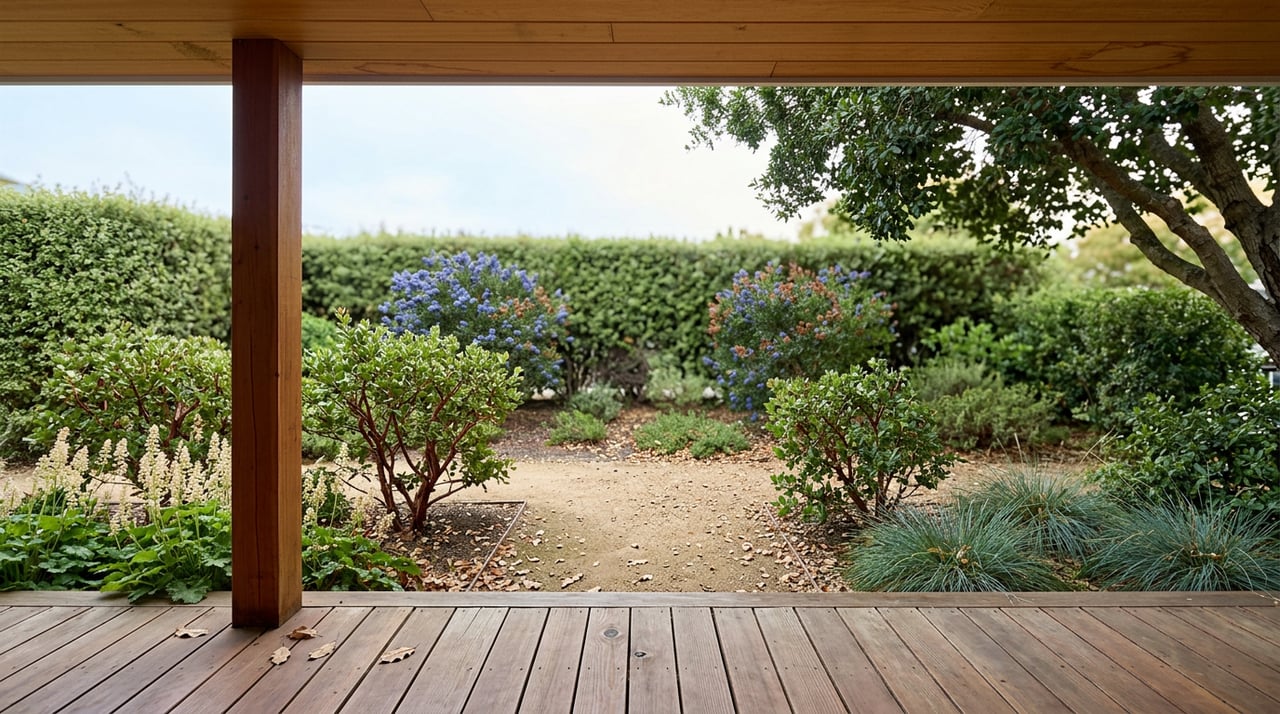
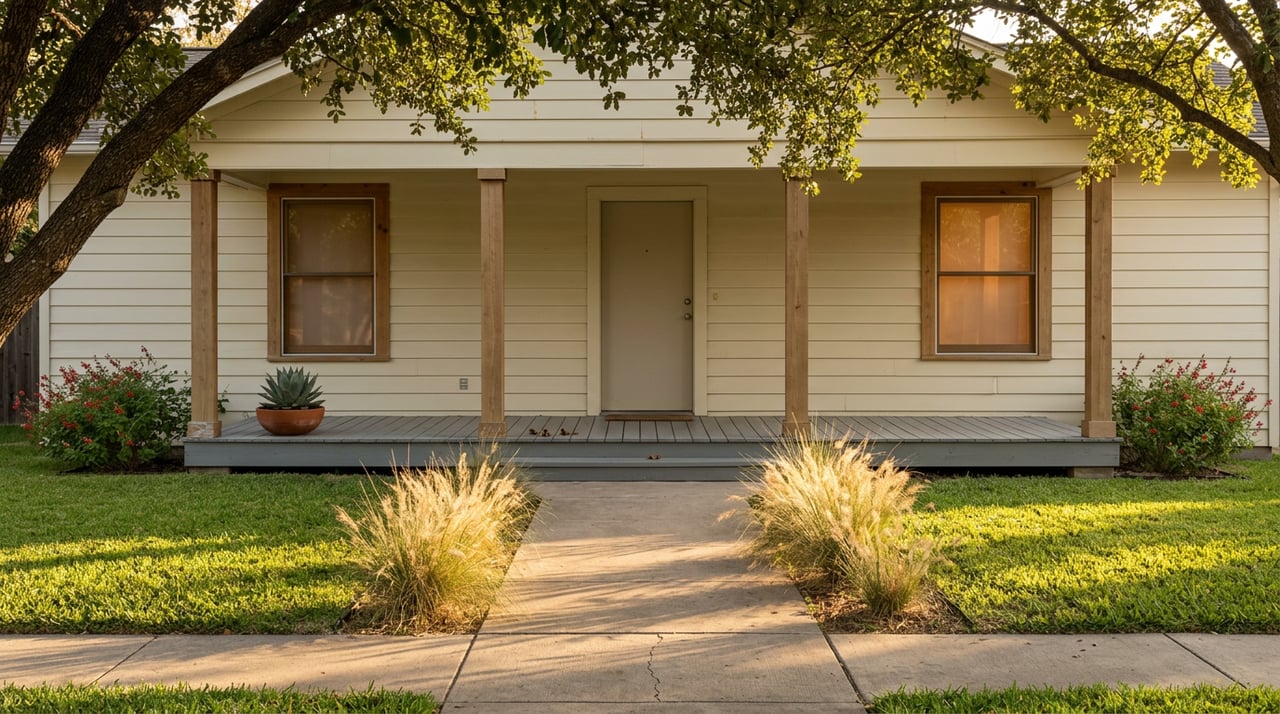
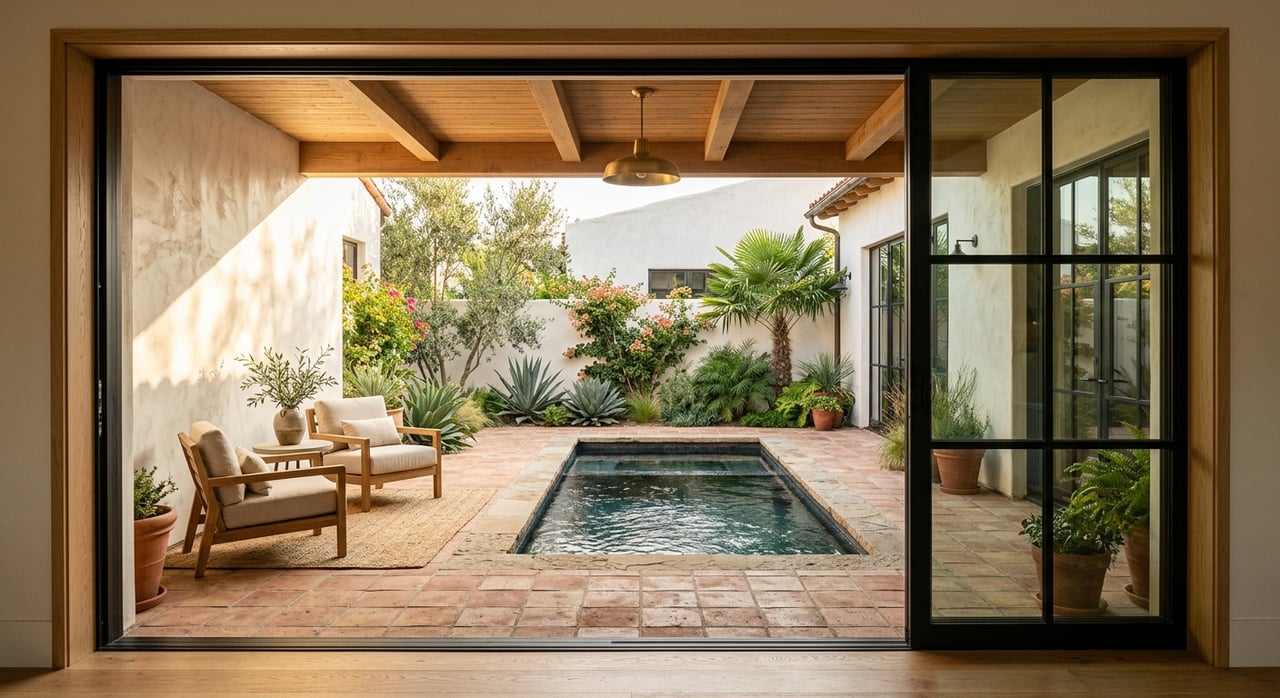
Private outdoor space is present but often modest. Many earlier yard homes were designed with small private yards and welcoming front porches. If you prioritize low-maintenance lots and newer construction, this design language will likely appeal to you.
East Austin: older homes plus infill
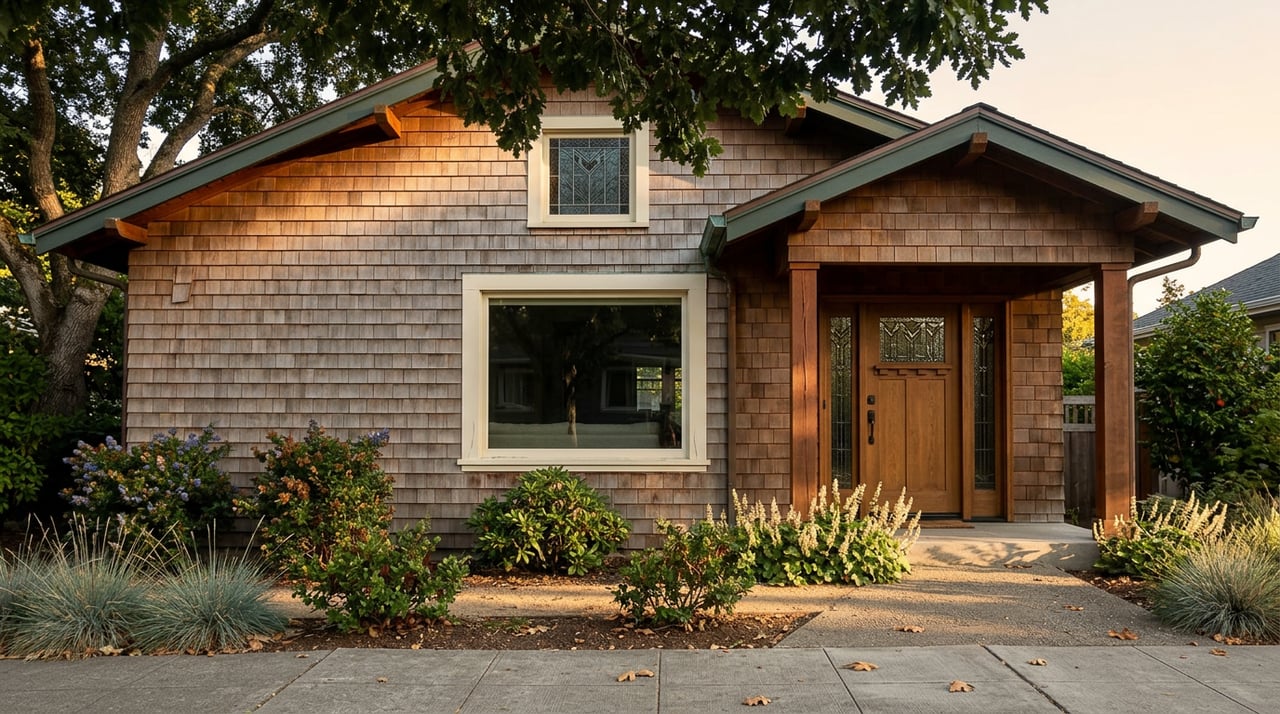
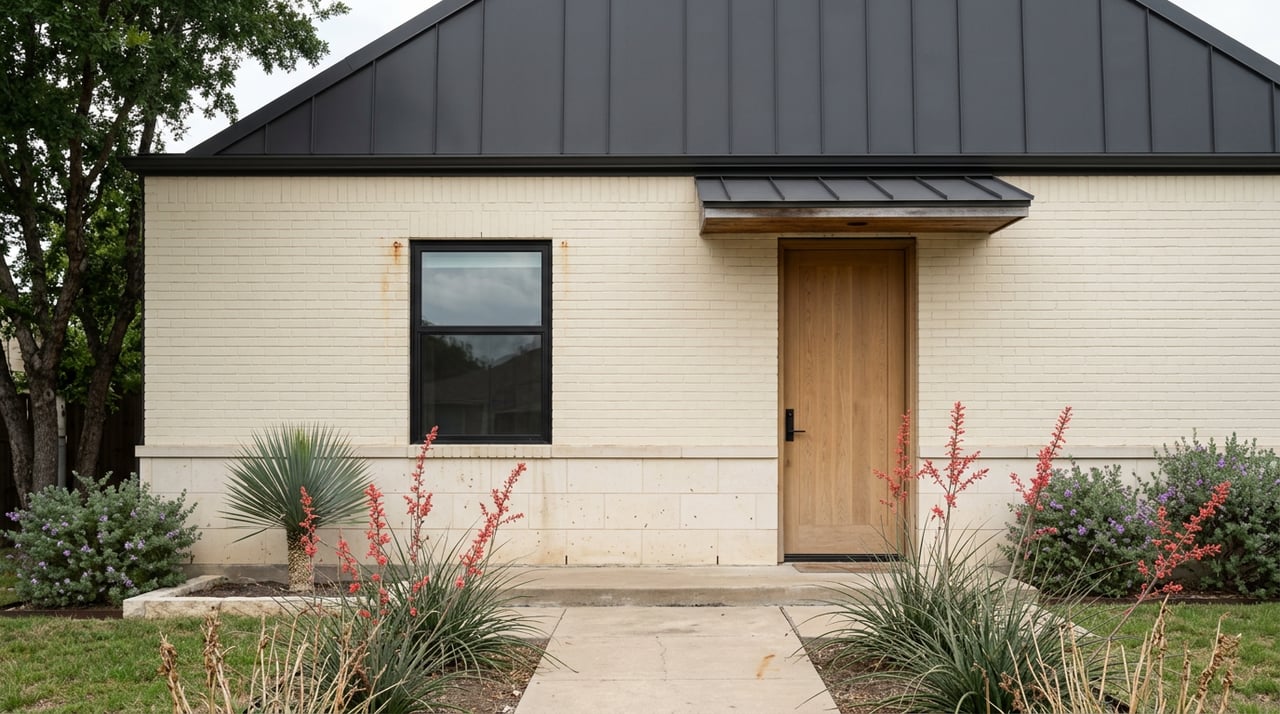
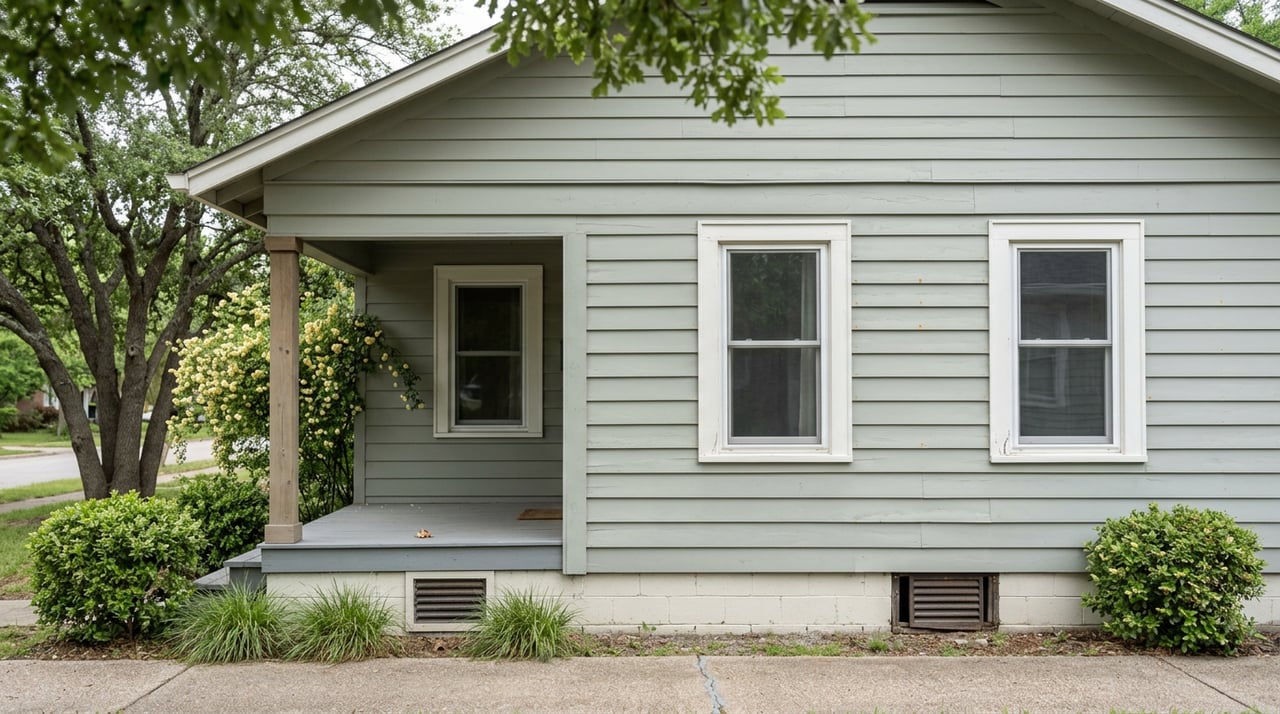
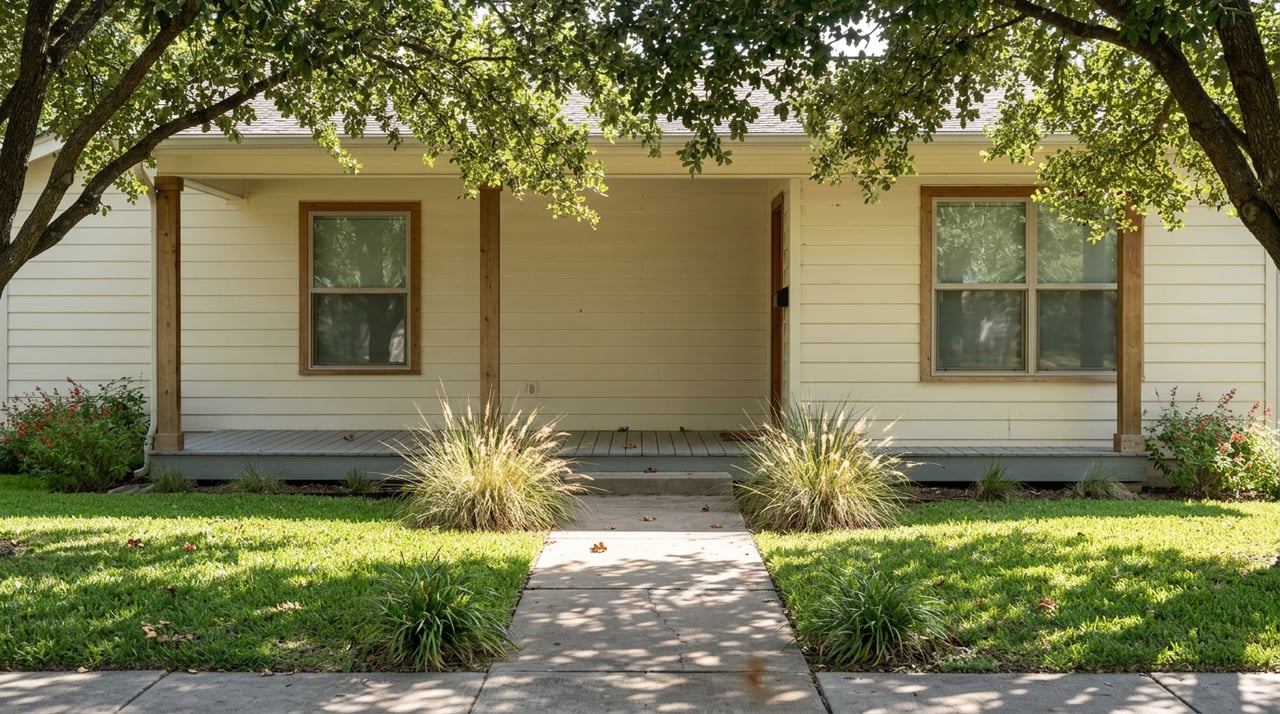
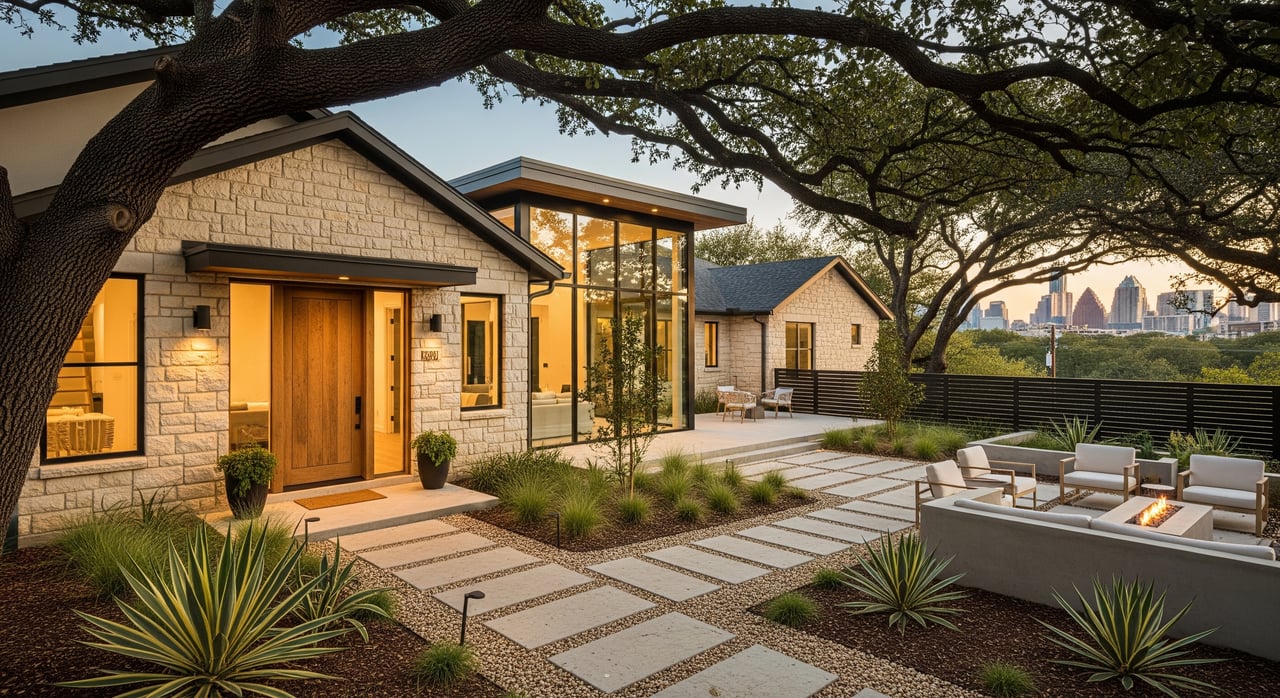
Across East Austin, housing spans 1920s–60s bungalows, modest single-family homes, and a rising share of infill townhomes, duplexes, and small condo projects. Recent zoning reform and infill demand have steered new development to the east side, broadening options for buyers open to renovation or new-builds on smaller lots. The Texas Tribune’s zoning coverage outlines how policy changes aim to add more housing types and price points.
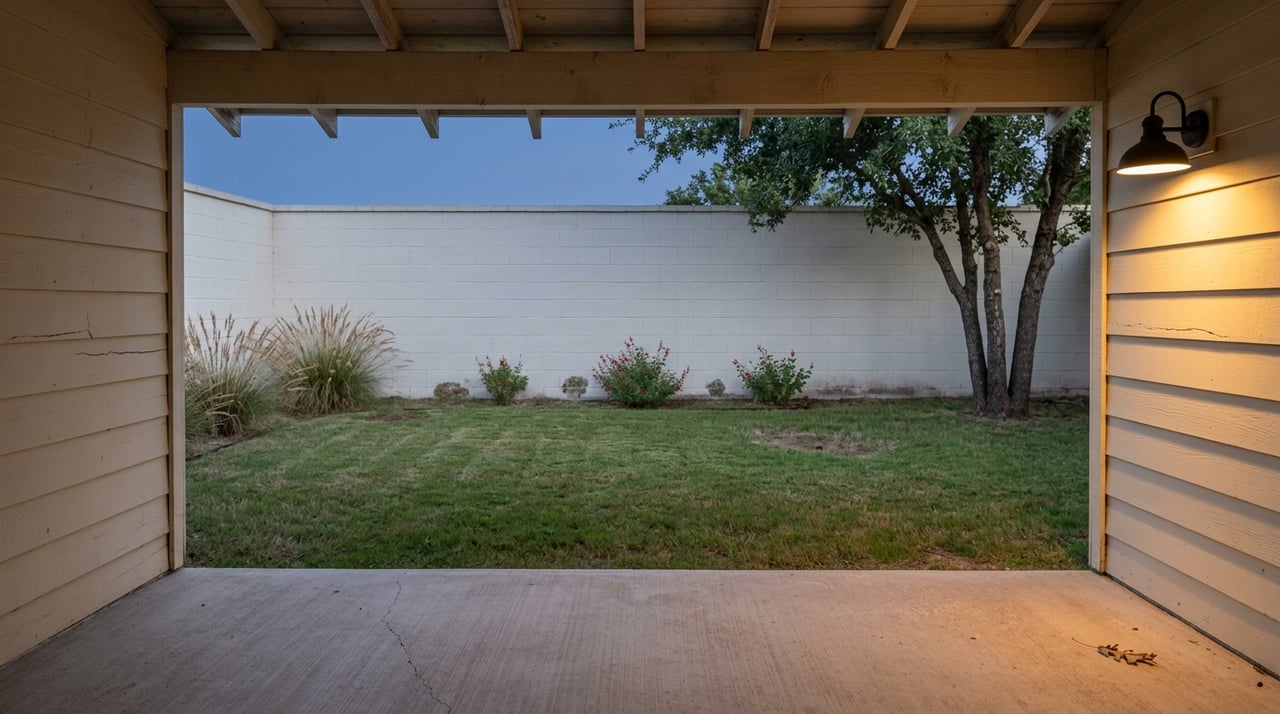
Lot size and privacy vary meaningfully by block. Some historic parcels are larger, while many streets now feature narrow-lot infill. If a yard is a top priority, verify lot dimensions and setbacks for each listing.
Daily life: walkability, parks, and errands
Walkability and biking
Mueller was designed for pedestrians and cyclists, with a connected grid, continuous sidewalks, and destination retail within the neighborhood. Many addresses score as very walkable and very bikeable in consumer tools. Scores vary by block, so confirm using Walk Score’s address-level check.
Central East Austin corridors like East Cesar Chavez and parts of Central East Austin often show higher walk scores, with dense pockets of restaurants, coffee shops, and small retail. Walkability is more uneven the farther you get from those corridors, so test a few addresses you like.
Parks, culture, and family amenities
Mueller advertises roughly 140 acres of parks, about 12 miles of trails, a lake park, and a year-round farmers market. These planned green spaces are consistent draws for residents who value easy access to nature and community programming. See the park system on the Mueller site.
East Austin’s green spaces are smaller but culturally significant, with places like Rosewood Park and Boggy Creek corridors serving as neighborhood anchors. Community venues host frequent events and performances, as covered by Austin Monitor’s Rosewood Park feature. Cultural institutions such as the George Washington Carver Museum and the ESB-MACC contribute to a strong local arts identity and regular programming, summarized by the Austin Chronicle’s listings page.
Families often cite the Thinkery in Mueller as a favorite weekend stop. East Austin families lean into neighborhood parks, community centers, and nearby museums and galleries.
Groceries, retail, and errands
Mueller’s Market District is anchored by an H-E-B and curated neighborhood retail, which simplifies quick errands and grocery runs. The retail is intentionally planned, so you can often get daily basics without leaving the neighborhood. Learn more about the district via the Mueller overview.
East Austin’s small-business scene is a standout. You’ll find taco trucks, barbecue, independent coffee shops, and boutique grocers along corridors like Manor Road and East Cesar Chavez. The density of food and beverage is a major draw for many buyers, highlighted in Eater’s city guide.
Nightlife and evenings
Mueller tends to be calmer at night, with community events and dining centered around Aldrich Street and the farmers market area. Evenings usually stay low key.
Parts of East Austin have a more active late-night scene, with live music and a denser bar and restaurant landscape. Expect more ambient noise and foot traffic near those corridors.
Commute and transit
Mueller sits about 3 miles from Downtown Austin and was planned with transit access in mind. CapMetro added Rapid routes in early 2025, including Rapid 800 Pleasant Valley and Rapid 837 Expo Center, to strengthen connections that serve the Mueller area and parts of East Austin. See the latest service details on CapMetro’s Rapid 2025 page and preview neighborhood access on the Mueller site.
Both areas are close enough to downtown that short drives or transit rides are common. Travel times vary by time of day, so test your commute during the window that matters to you.
Market dynamics: how competitive is it?
In 2025, Mueller shifted to a more balanced to buyer-friendly pattern compared with the 2021–2022 peak. Neighborhood updates reported months of inventory rising, average sale-to-list ratios in the low to mid 90s, and longer days on market than prior years.
For early 2026, East Austin was characterized as not very competitive by major market trackers, with longer days on market and fewer multiple-offer situations. Across both areas, pricing has adjusted from peak years, and clean presentation and accurate pricing remain decisive for sellers.
Decision guide: who should favor which?
Favor Mueller if you:
- Want a predictable, master-planned environment with integrated parks and trails.
- Prefer newer construction, townhomes, and low-maintenance lots.
- Value walkable neighborhood retail and family amenities like the Thinkery and the lake park.
- Are an income-qualified buyer evaluating the formal affordable program. The Mueller Affordable Homes Program targets about 25% of homes for income-qualified households.
Favor East Austin if you:
- Prioritize being near the city’s food, music, and cultural corridors.
- Want a wider price range that includes older homes, renovation opportunities, and infill townhomes or condos.
- Prefer an organic, varied streetscape and are comfortable with potential construction nearby.
- Seek potential investment opportunities in a high-infill area.
Key trade-offs at a glance
- Price vs product: Mueller’s newer construction and townhome mix often mean a higher price per finished square foot. East Austin’s older stock and infill create more price dispersion and fixer potential.
- Yard and privacy: Many Mueller yard homes have small private yards and inviting front porches. East Austin can offer larger historic lots in some pockets, though narrow-lot infill is common. Always verify lot size and setbacks.
- Noise and nightlife: Mueller is typically quieter in the evenings. East Austin’s busiest corridors run later and louder.
- Schools and services: Mueller was planned with community facilities and AISD connectivity. School attendance zones change, so confirm each address with the district’s lookup before you rely on assumptions.
How to choose with confidence
Use this simple, field-tested process:
- Set your budget range with today’s data. Include taxes, HOA or condo dues, and any renovation buffer.
- Choose your daily rhythm. Decide whether you want planned calm and convenience or a more eclectic scene close to nightlife.
- Map your commute. Test an address in each area during your actual drive window or check CapMetro Rapid routes for your trip.
- Walk the blocks. Visit at different times of day, compare walk scores, and note parking patterns and evening activity.
- Validate the lot and the plan. For homes you like, confirm lot dimensions, orientation, and any incoming construction.
- Pressure test the numbers. If you plan to renovate, model costs and timeline alongside recent comps to understand after-renovation value.
When you want a clear, data-backed short list, a calm advisor, and a plan that fits your move, we can help you move from research to results.
Ready to compare specific homes and run the numbers on your short list? Start a focused search or book a consult with Christopher Harris Real Estate.
FAQs
Is Mueller more expensive than East Austin right now?
- In aggregate, yes. Neighborhood reporting in 2025 placed Mueller medians in the high $700Ks to low $800Ks, while East Austin’s aggregate median was about $525,000 in January 2026. Pricing varies by product and block.
Which is more walkable: Mueller or central East Austin?
- It depends on the block. Many Mueller addresses score as very walkable and bikeable, while central East Austin corridors often score higher overall. Check address-level scores with a tool like Walk Score and do an on-foot visit.
How is public transit on the east side of Austin?
- Both areas have bus service, and CapMetro added Rapid 800 and 837 in 2025 to improve east-side connections and feed future rail. Review current schedules on CapMetro’s Rapid 2025 page.
Does Mueller offer affordable housing options?
- Yes. The Mueller Affordable Homes Program targets about 25% of for-sale and for-rent units for income-qualified households. Program details, homes, and income limits are published by the developer.
What types of homes are common in East Austin?
- You’ll see 1920s–60s bungalows and modest single-family homes alongside infill townhomes, duplexes, and small condo projects. Renovation opportunities are common, and lot sizes vary by block.
Where will I find a quieter evening scene?
- Mueller generally stays calmer at night with community-focused events and dining. Parts of East Austin have lively corridors with later hours and more foot traffic.