Choosing between a condo or a townhome in Mueller can feel tricky. You are weighing lifestyle, maintenance, monthly costs, and even how lenders view the building you choose. The good news is there is a clear way to decide. In this guide, you will get a simple framework, local context on Mueller’s associations and amenities, cost and maintenance comparisons, and the key financing checks that matter before you write an offer. Let’s dive in.
Mueller factors that shape the choice
Mueller is a master-planned, mixed-use neighborhood with parks, trails, and a walkable town center. That design shapes how you live day to day and what your HOA covers. The area continues to add new condos and townhomes in phases, which can influence competition and resale options over time. You can learn more about the neighborhood’s vision and amenities on the official community site for Mueller’s master plan and parks.
Mueller also uses layered associations. A master Property Owners’ Association maintains parks, greenways, and certain shared infrastructure, while building-level HOAs or sub-HOAs handle rules and maintenance for each condo building or townhome cluster. Expect to see separate dues for your building or block plus any master POA assessment. For an overview of how the neighborhood is organized, review the Mueller POA and resources.
Finally, roughly half of Mueller’s residences are part of rental apartment communities. That mix can influence lifestyle, parking patterns, and sometimes how lenders view nearby condo projects. See the current overview of Mueller’s rental communities.
Condo vs. townhome: the core difference
Legal ownership in Texas
The key difference is legal title. In Texas, a condominium means you own your interior unit plus an undivided interest in the common elements, which are governed by the Texas Uniform Condominium Act for most modern communities. You can read the statute framework in the Texas Uniform Condominium Act reference. By contrast, a typical fee-simple townhome means you own the structure and the land beneath it, subject to recorded covenants. For a plain-English primer on property types, see this overview of forms of ownership.
How that changes maintenance and insurance
In practice, condo associations usually handle exteriors, roofs, common systems, and often carry a master insurance policy on the building. You maintain the interior and pay dues that fund those shared costs. Fee-simple townhome owners commonly handle their own exterior, roof, and small yard or patio, while the HOA maintains shared drives, limited amenities, and common landscaping. This often means lower HOA dues but more out-of-pocket responsibility over time. For a quick comparison of typical coverage, review this guide on what condo vs. townhome HOAs usually cover.
What you pay in Mueller
HOA dues and what they include
Because Mueller has both building-level HOAs and a master POA, plan for layered dues. In townhome communities, fees often land around the mid-$200s to mid-$300s per month and cover shared drives, landscaping, and limited amenities. Condo fees vary more based on amenities like a pool or gym and can range from the low $200s to $500-plus per month in buildings with more services.
What matters most is scope. Ask exactly what the dues include. Some condo HOAs include water, trash, master insurance, and pool maintenance. Others may not. A townhome HOA may be lean on amenities, which keeps dues lower but shifts more maintenance risk to you.
Insurance and risk allocation
Condo owners typically carry an HO-6 policy that covers interior finishes and personal property, while the HOA insures the building. Townhome owners usually carry a standard homeowners policy that covers the exterior and roof. The HOA’s master policy limits and deductibles affect you, so request the insurance summary along with your resale packet. For a quick primer on condo insurance basics, see this overview of HO-6 coverage and association policies.
Space and lifestyle tradeoffs
Condos in Mueller often favor a lock-and-leave lifestyle near retail and Mueller Lake Park. Expect compact 1 to 2 bedroom layouts in some mid-price buildings, plus shared amenities like a pool, gym, or common decks. Newer mid-rise buildings cluster near the town center to maximize walkability to Aldrich Street.
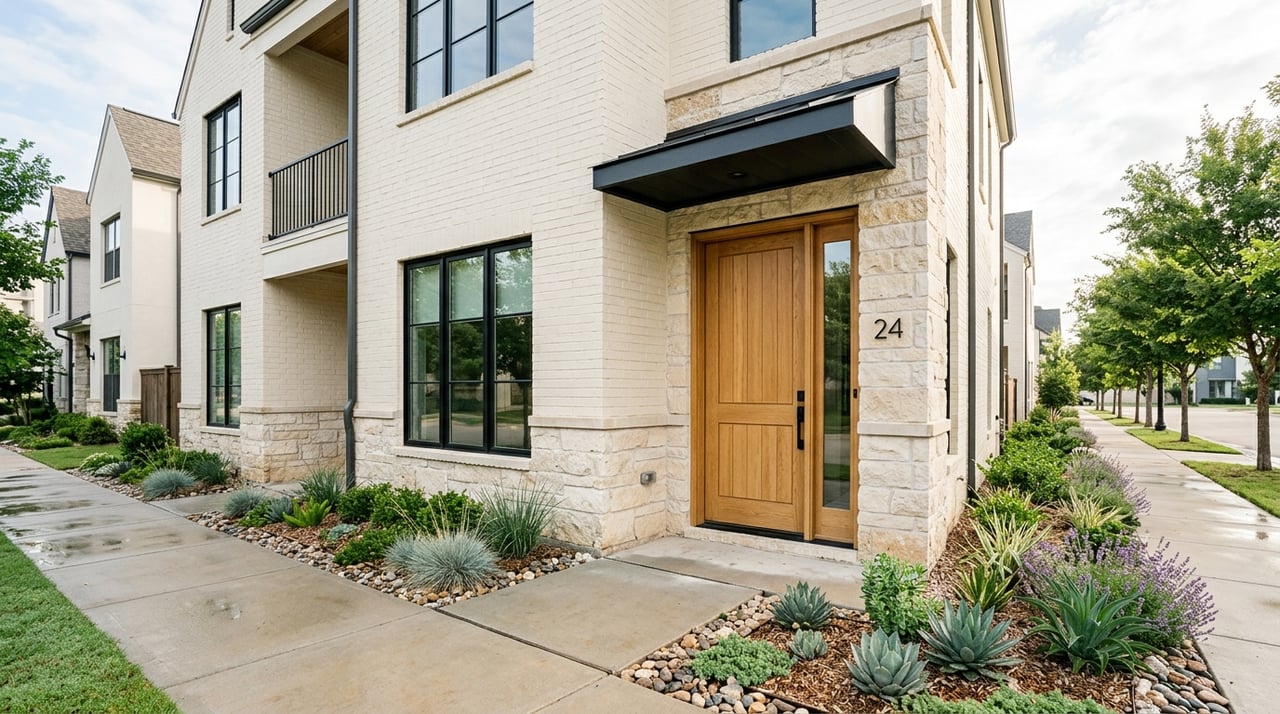
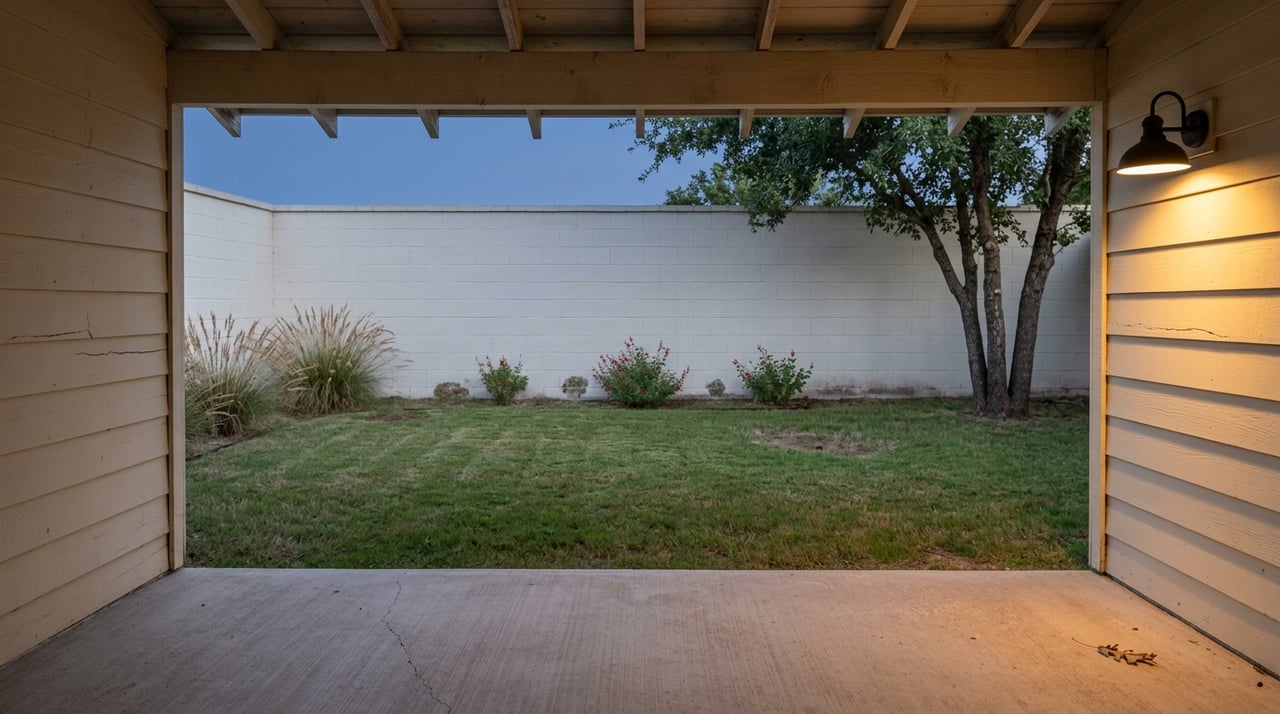
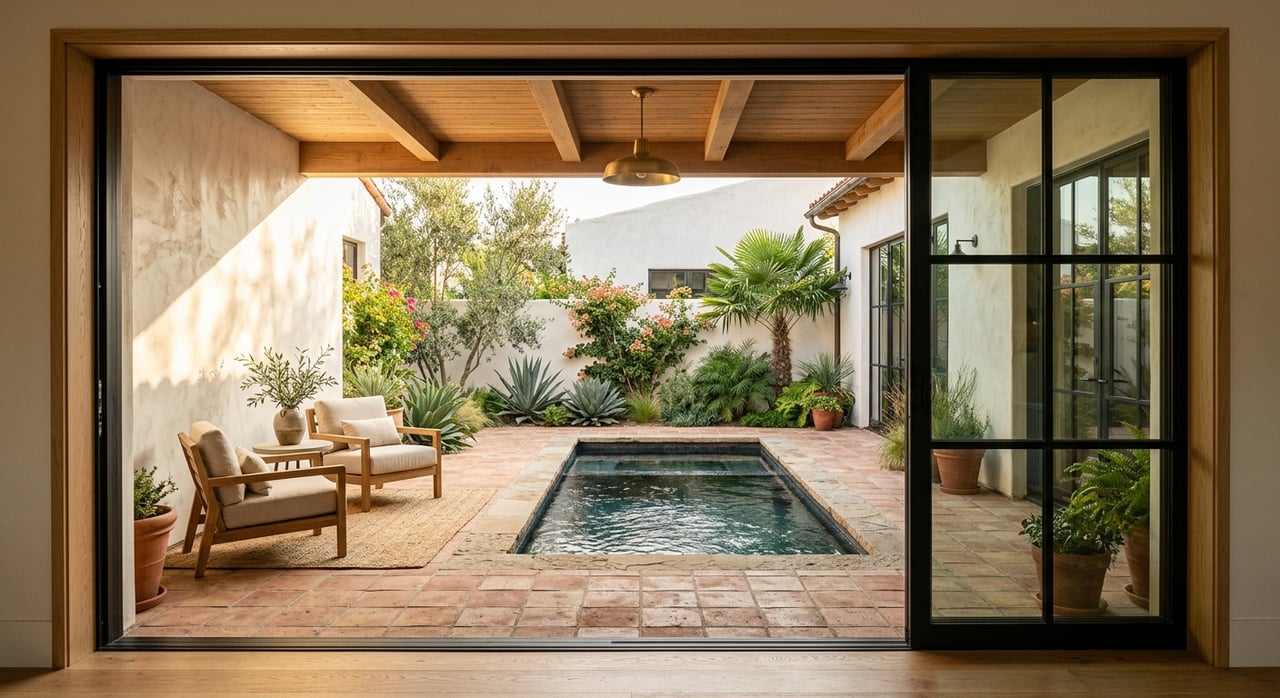
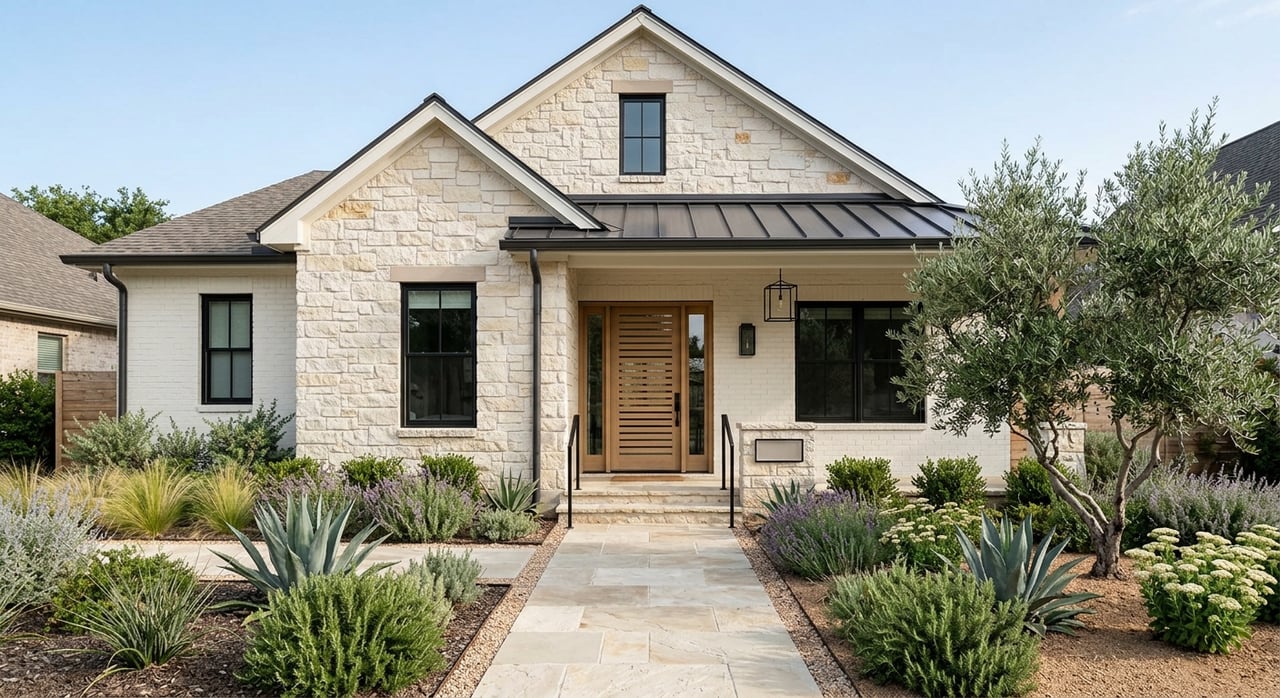
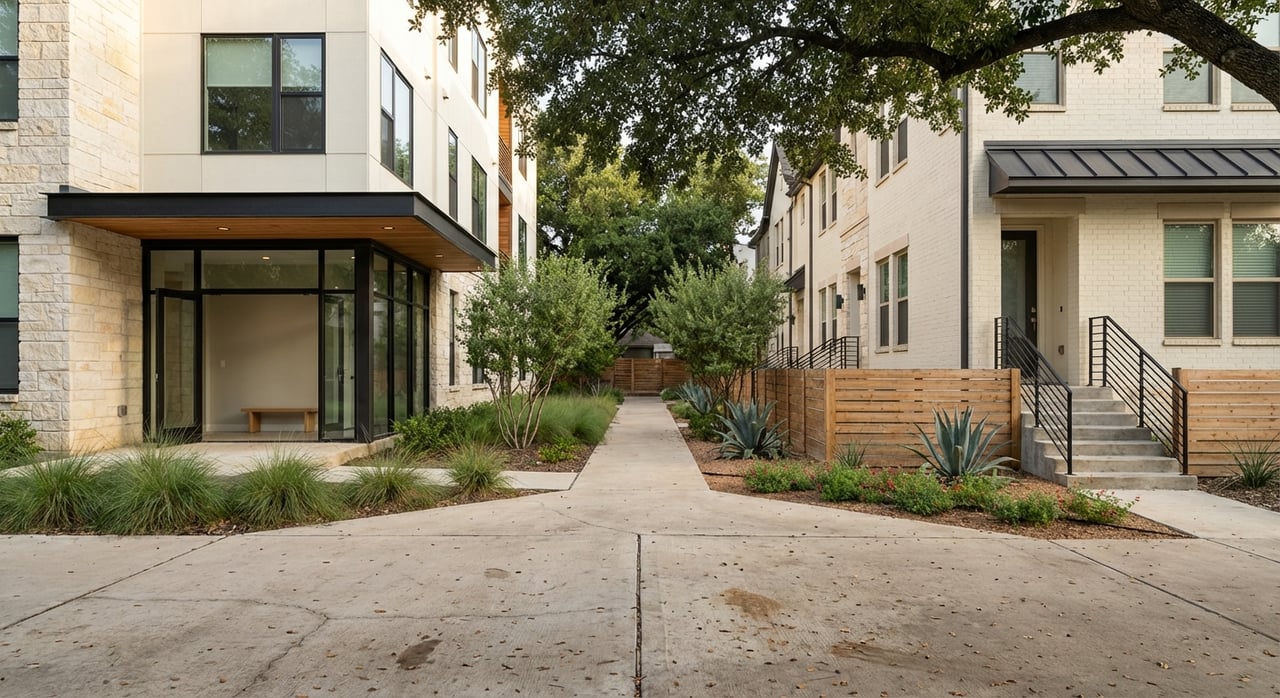
Townhomes usually feel more house-like, with two or three stories, attached garages, and 2 to 3 bedrooms that commonly stretch from roughly 1,200 to 2,400 square feet or more. Many include private outdoor space, such as a small yard, terrace, or even a rooftop deck. If private outdoor space or a place for a grill and pets matters to you, a townhome often fits better. For a sense of how public green space anchors the neighborhood, see Mueller’s parks and community design.
Financing and resale in Mueller
Condos come with an extra layer of lender review. Many lenders and programs evaluate the entire building for things like reserve funding, litigation, and owner-occupancy before approving loans. Projects that do not meet those standards can be limited to specialized or portfolio loans, which may narrow the buyer pool. You can learn the basics of program approvals and options like single-unit approval in this summary of FHA condo approvals and project review.
Fee-simple townhomes are usually financed like single-family homes, which typically means fewer building-level hurdles. That said, any HOA can influence value and liquidity through dues, rules, or special assessments. In a neighborhood with ongoing new supply like Mueller, plan to verify HOA health and reserve strength early.
Quick decision guide
Prioritize a condo if:
- You want minimal exterior maintenance and lock-and-leave living.
- You value shared amenities like a pool or gym and close-in walkability.
- You are comfortable confirming lender eligibility and HOA reserves before making an offer. See a quick comparison of condo vs. townhome tradeoffs.
Prioritize a townhome if:
- You want more private outdoor space and a house-like layout.
- You prefer more control over the exterior and usually simpler conventional financing.
- You are comfortable budgeting for roof, exterior, and small-yard upkeep over time.
Verify these 6 items before you make an offer
Confirm legal form of title. Read the legal description to verify condo vs. fee-simple townhome. The distinction controls who maintains the exterior, roof, and land. See the framework in the Texas Uniform Condominium Act.
Order the HOA resale packet early. Ask for CC&Rs, bylaws, rules, current budget, recent financials, reserve study, insurance certificate, special assessments, and recent meeting minutes. This is standard due diligence covered in the NAR consumer guide to contingencies.
Ask about lender eligibility. For condos, request owner-occupancy rates, delinquency levels, and any pending litigation. Confirm whether the project is eligible for conventional or government-backed financing. Review the basics of FHA condo project approvals.
Compare dues vs. owner responsibilities. List out exactly what the HOA covers and what you must handle. This simple step is key to your monthly budget and long-term maintenance plan. A quick overview of inclusions is here: condo vs. townhome HOA coverage.
Review vendor and service contracts. For buildings, elevator, roofing, landscaping, and pool contracts can drive costs. Understanding contract terms helps you anticipate future dues changes.
Focus inspections on the right risks. For condos, ask inspectors to note building-envelope items like roof, balconies, and parking structures. For townhomes, prioritize roof, siding, drainage, and any shared-wall details.
Plan your monthly budget
Create a simple side-by-side estimate before you tour. Include:
- Mortgage principal and interest at your current rate quote.
- Property taxes based on the county’s assessed value and current rate.
- HOA dues by unit type, with a note on what is included.
- Insurance: HO-6 for condos, homeowners policy for townhomes.
- Maintenance reserve: for townhomes, consider saving roughly 1 percent of home value per year as a conservative placeholder.
Market context and new supply
Local appreciation patterns can differ by property type. Townhomes that are fee-simple often track single-family behavior more closely since they include land, while condos can be more sensitive to supply and project-level financing rules. For a national-level comparison of how these property types tend to perform, review this condo vs. townhome guide.
Mueller continues to deliver new for-sale homes in phases, including new townhome blocks and condo buildings. Fresh inventory can influence near-term comps and buyer choice, especially for condos where density adds supply faster. You can monitor neighborhood updates on Mueller’s for-sale overview.
The bottom line
If you want low personal maintenance and shared amenities, a condo can be a great fit, as long as you verify the building’s lender eligibility and HOA reserves early. If you want more privacy, outdoor space, and a layout that lives like a house, a fee-simple townhome may align better, with the tradeoff of more owner maintenance. In Mueller, layered associations and ongoing new supply make the due diligence steps above especially important.
When you want a clear plan, data you can trust, and calm guidance through the decision, reach out to Christopher Harris Real Estate. We will help you compare specific buildings and blocks, model true monthly costs, and secure the right terms.
FAQs
What is the main difference between a condo and a townhome in Mueller?
- In Texas, condos are governed by a condo regime where you own the unit interior plus common elements, while most Mueller townhomes are fee-simple, meaning you own the structure and land, which changes who maintains and insures exteriors.
Who maintains the roof and exterior for each property type?
- Condo associations typically handle exteriors and roofs through the HOA and its master insurance, while fee-simple townhome owners usually maintain their own roof and exterior, subject to HOA rules.
How do HOA and POA dues work in Mueller?
- Expect layered dues: your building or block HOA covers local amenities and maintenance, and the master POA funds parks and shared infrastructure, so you may have two line items each month.
Are condos harder to finance than townhomes in Mueller?
- Condos often face project-level lender reviews for reserves, occupancy, and litigation, which can limit some loan programs; fee-simple townhomes are usually financed like single-family homes with fewer building-level hurdles.
What are typical HOA fee ranges in Mueller?
- Townhome HOAs often run in the mid-$200s to mid-$300s monthly, and condo HOAs can range from the low $200s to $500-plus depending on amenities and building services.
What documents should I request before I make an offer?
- Ask for the full resale packet: CC&Rs, bylaws, rules, current budget, financials, reserve study, insurance certificate, any special assessments, and recent meeting minutes to understand near-term costs and risk.