If you like your days to start with fresh air and end with art and good food, Central East Austin may feel like an instant fit. You are close to downtown and the lake, yet the streets still feel neighborhood-scale. The area blends creative energy with practical convenience, so your week can be both productive and easy. Here is how life often unfolds and what to consider before you make it home. Let’s dive in.
Morning energy by the lake
Mornings tend to be active. You see joggers and dog walkers heading toward the Lady Bird Lake and Butler Trail, bikes clicking over crosswalks, and neighbors grabbing coffee before work. Many short errands can be done on foot or by bike, which sets an easy tone for the day.
You feel close to everything. Downtown is a quick ride, but you also have small parks and pocket greens to step into when you want quiet. If you prefer a routine that mixes movement with a short commute, this part of East Austin is set up for it.
Workdays with options
During the workday, a lot of people bike or take a short car ride into downtown offices. Others work from home or from small co‑working spots within the neighborhood. Newer homes and ADUs are often used as studios or offices, which makes remote work more comfortable.
If you work odd hours or hybrid schedules, the area’s flexible rhythm helps. You can grab lunch from a food truck, take a quick walk in a park between calls, and still make it to a late meeting downtown without a long drive.
Afternoons and small errands
Afternoons slow down on the residential side streets. You might browse a gallery or vintage shop, or meet a friend for a casual bite. There are quiet blocks a short walk from busier corridors, so you can choose your pace.
Everyday errands are simple. Pharmacy, coffee, snacks, and basic services are often nearby. You can do a lot without getting in the car, which reduces friction during a busy week.
Evenings and weekends
Evenings bring a relaxed social scene. You find casual dining, music venues and bars on nearby corridors, and frequent pop‑up events. Livelier nightlife clusters around the main streets, while residential blocks feel calmer.
Weekends often revolve around the trail, farmers’ markets, and brunch. Long runs or slow walks along the water are common. In the fall, community art events like open studio tours help the neighborhood’s creative side shine.
Green space and mobility
Proximity to the Lady Bird Lake and Butler Hike‑and‑Bike Trail is a major lifestyle anchor. If you bike, run, or walk your dog daily, living this close to the water matters. Several pocket parks and small playgrounds offer simple space for kids and casual recreation.
Mobility is diverse. Capital Metro bus routes serve the area, and many residents use bikes, scooters, and rideshare for short trips. Bike lanes have expanded in recent years, improving connectivity for everyday rides. Long-term, Project Connect planning aims to grow rapid transit and rail options, which could change commute patterns over time.
Walkability and parking
Walkability is strong in commercial pockets, with many errands reachable on foot or by bike. That said, parking varies by block. Older single‑family homes may not have driveways, and street parking rules are enforced in the busier corridors. Newer infill homes and townhomes often include one‑ or two‑car garages, which simplifies daily logistics.
Homes you will find
Historic bungalows and cottages
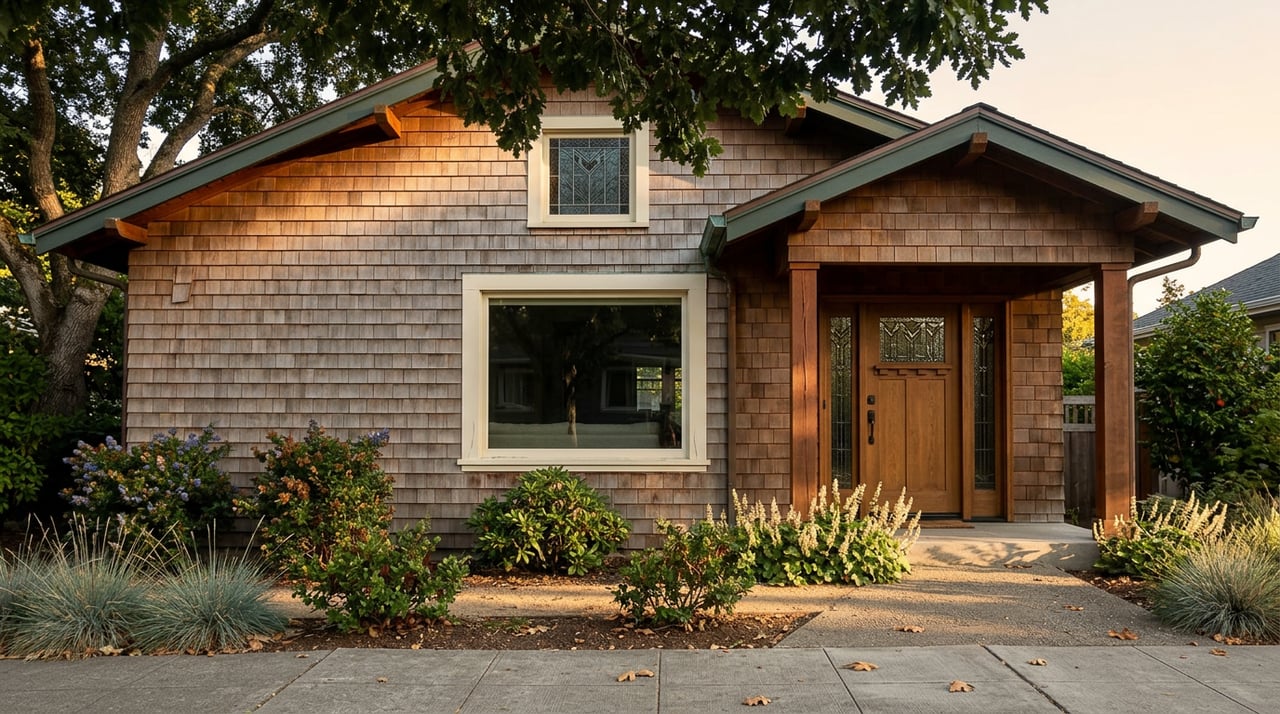
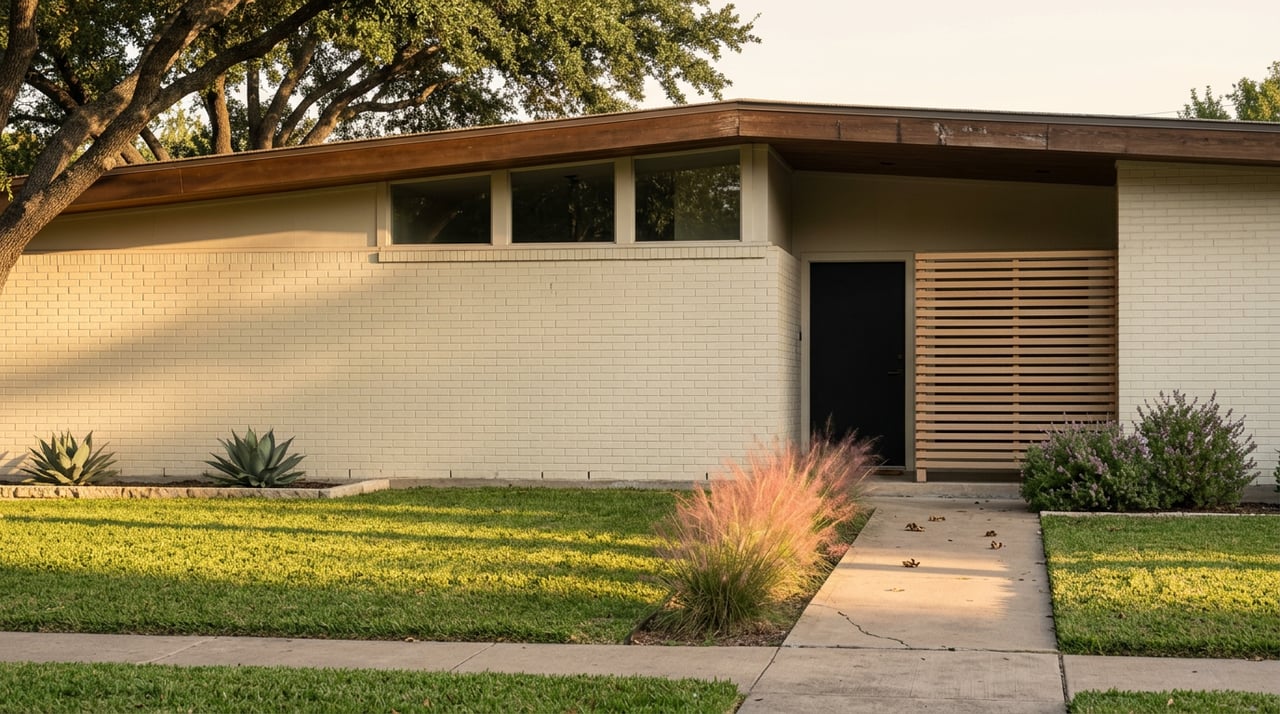
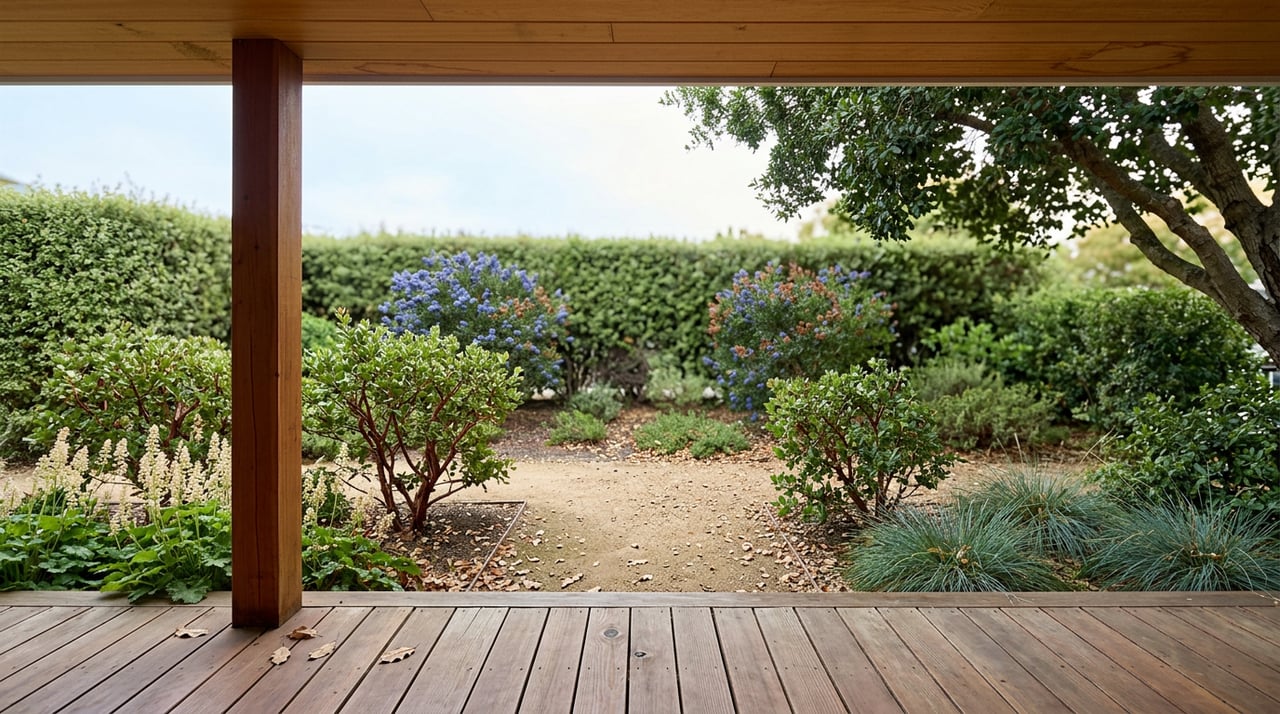
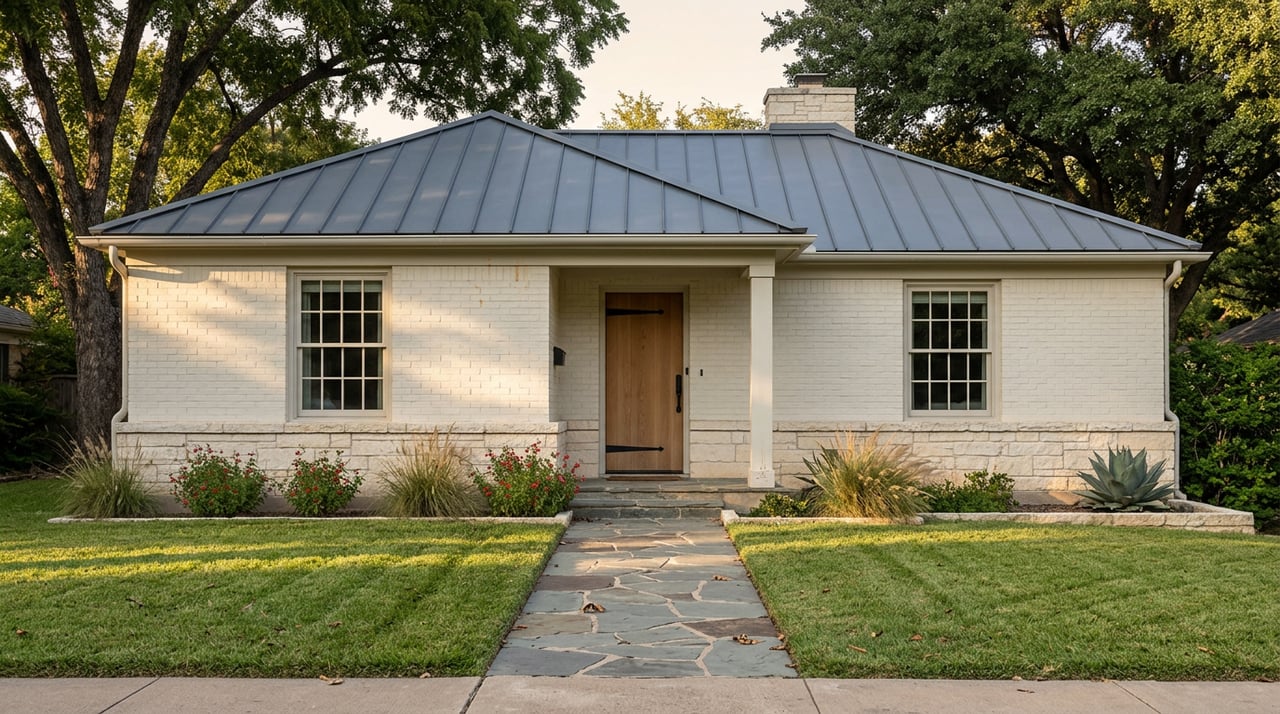
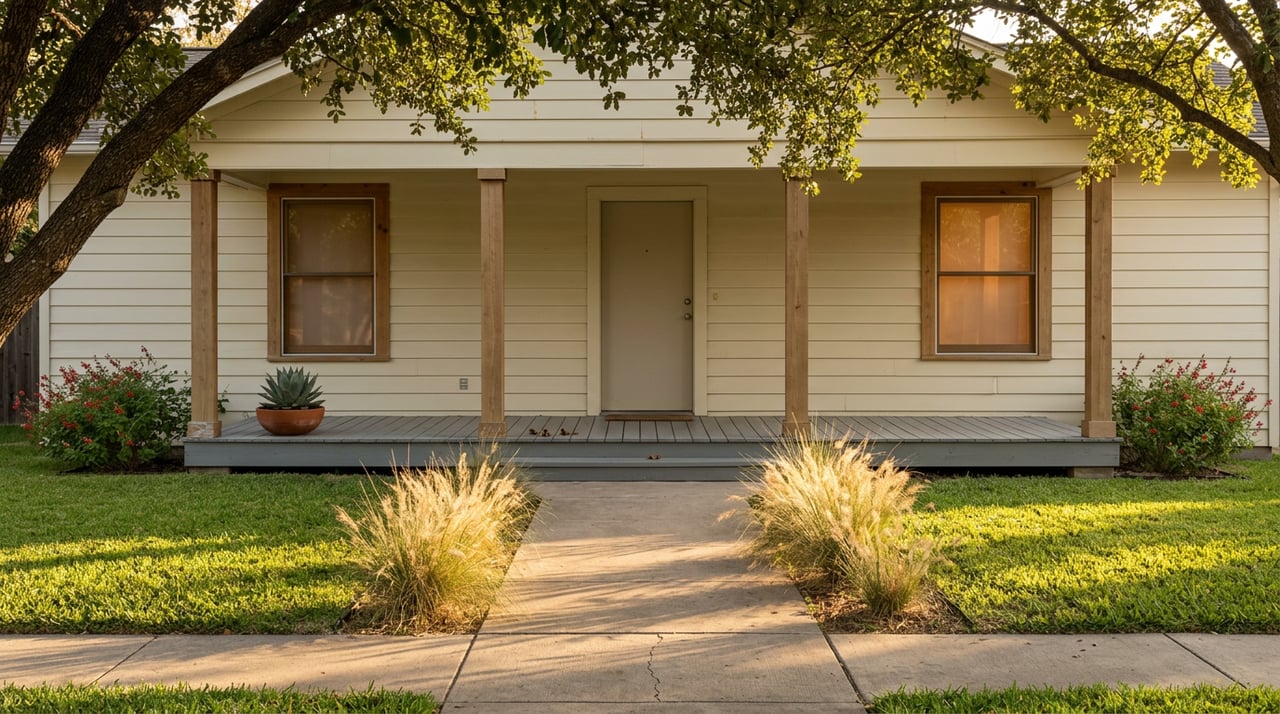
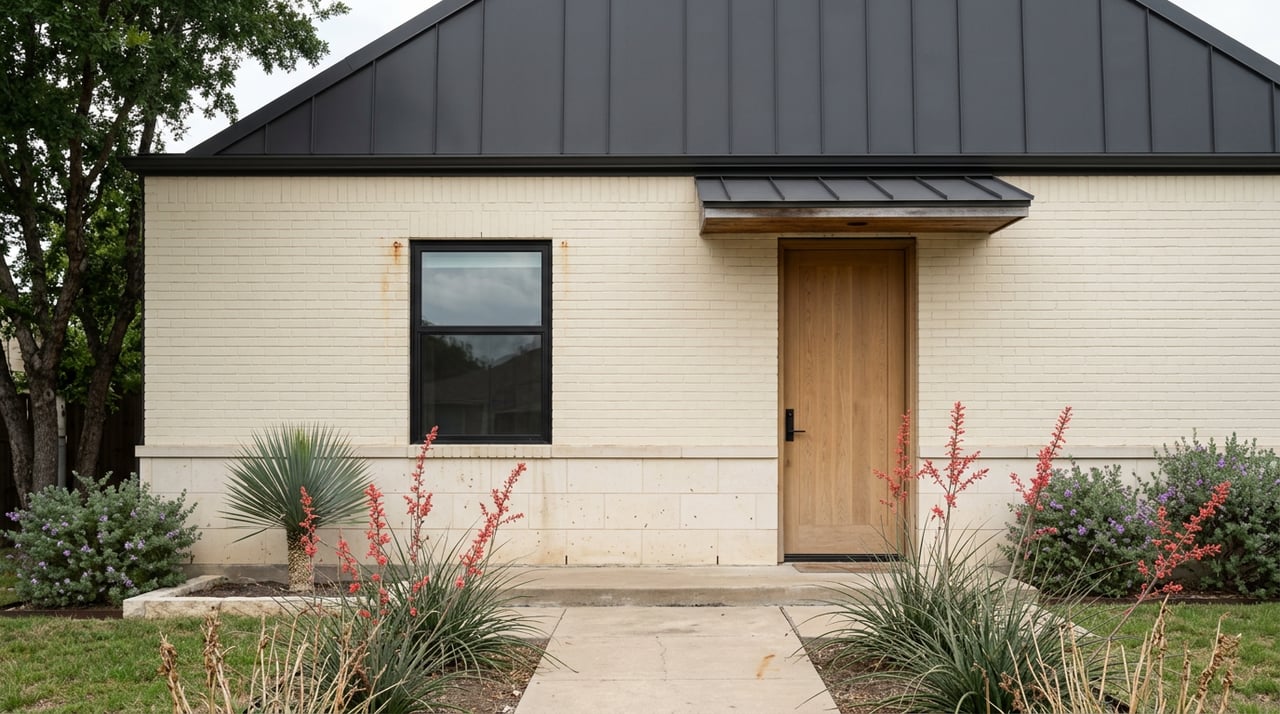
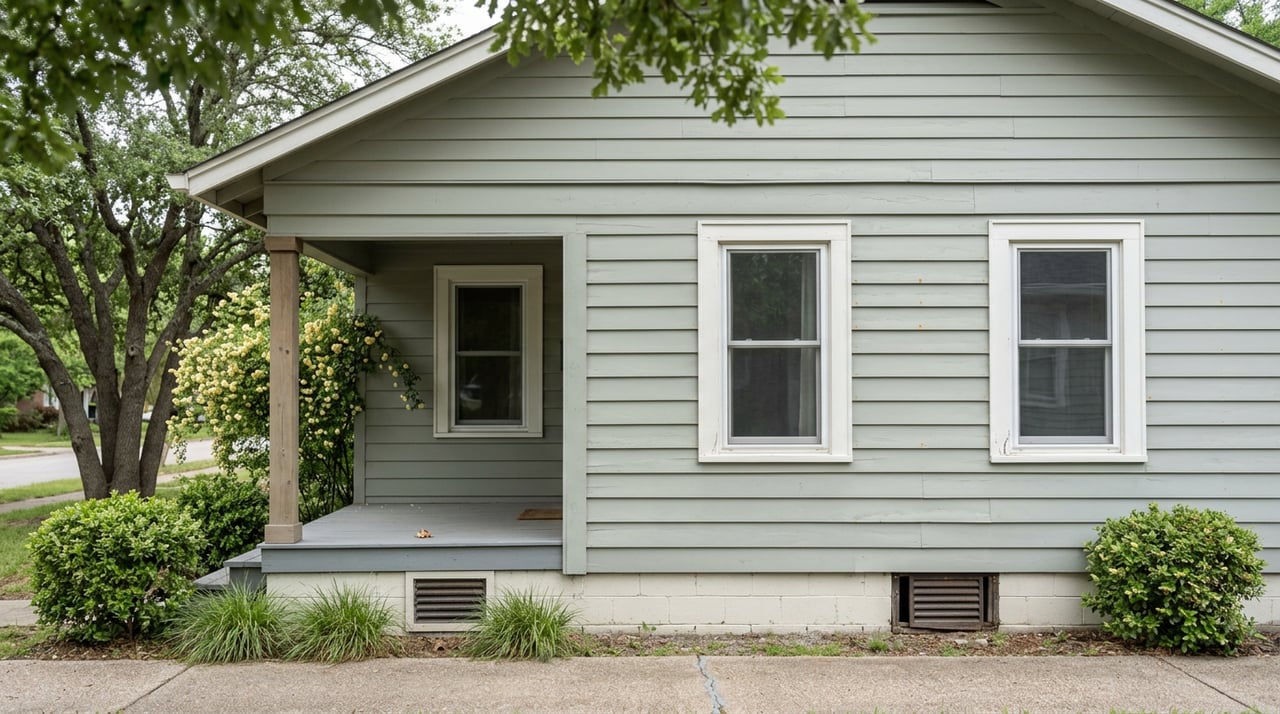
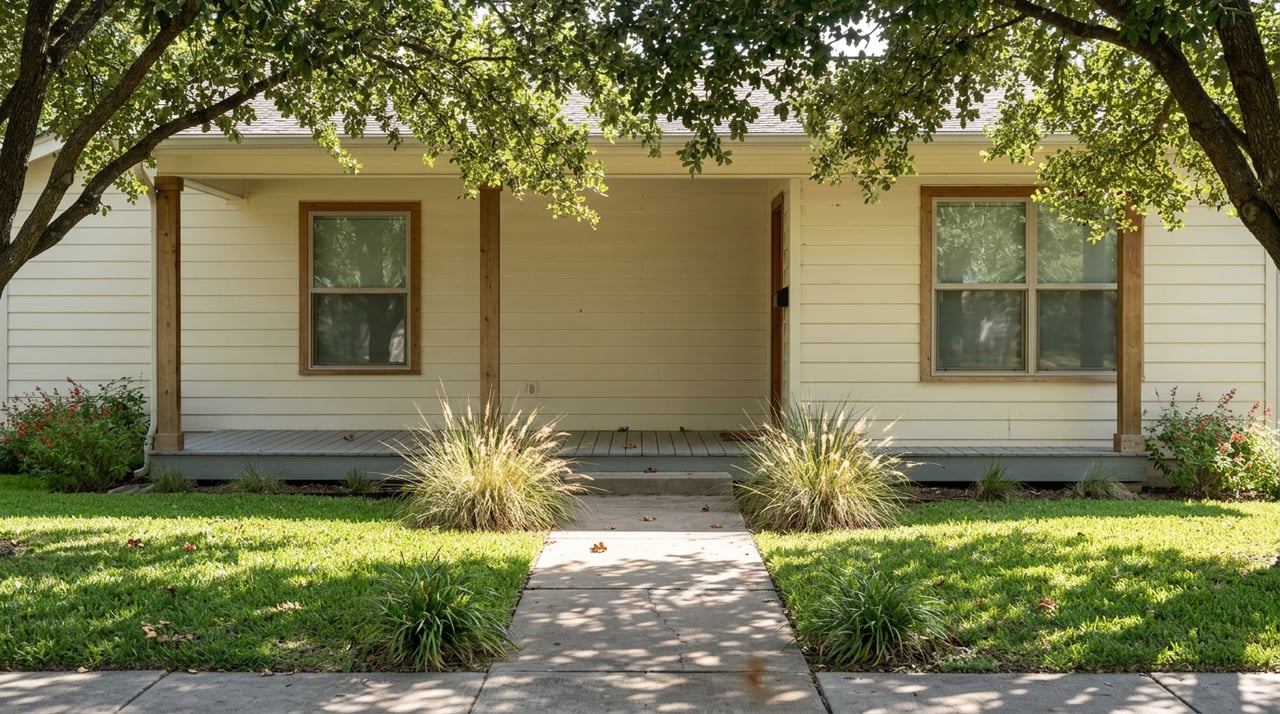
You will see early‑20th‑century cottages, Craftsman bungalows, and small ranch homes on older streets. These homes often have character details, but systems like electrical, plumbing, insulation, roofs, or foundations may need updates. Lots are smaller than suburban averages, which encourages time on patios, in pocket yards, or at nearby parks.
Modern infill and townhomes
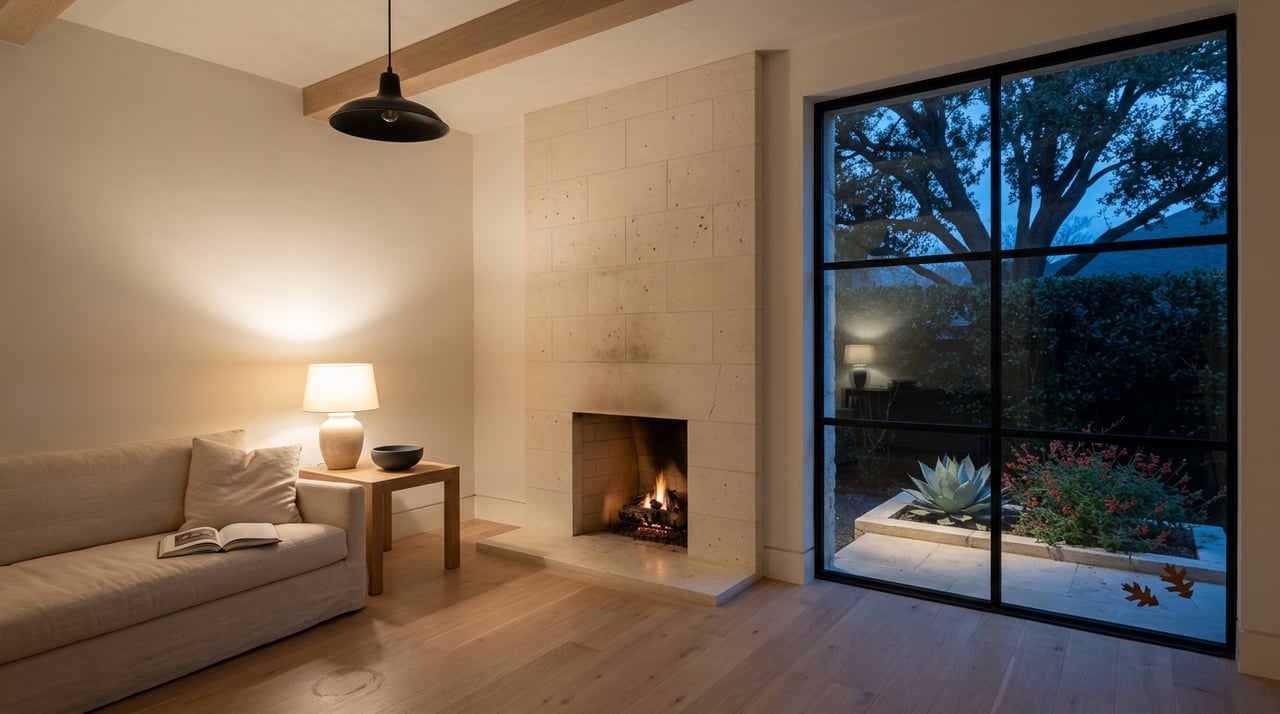
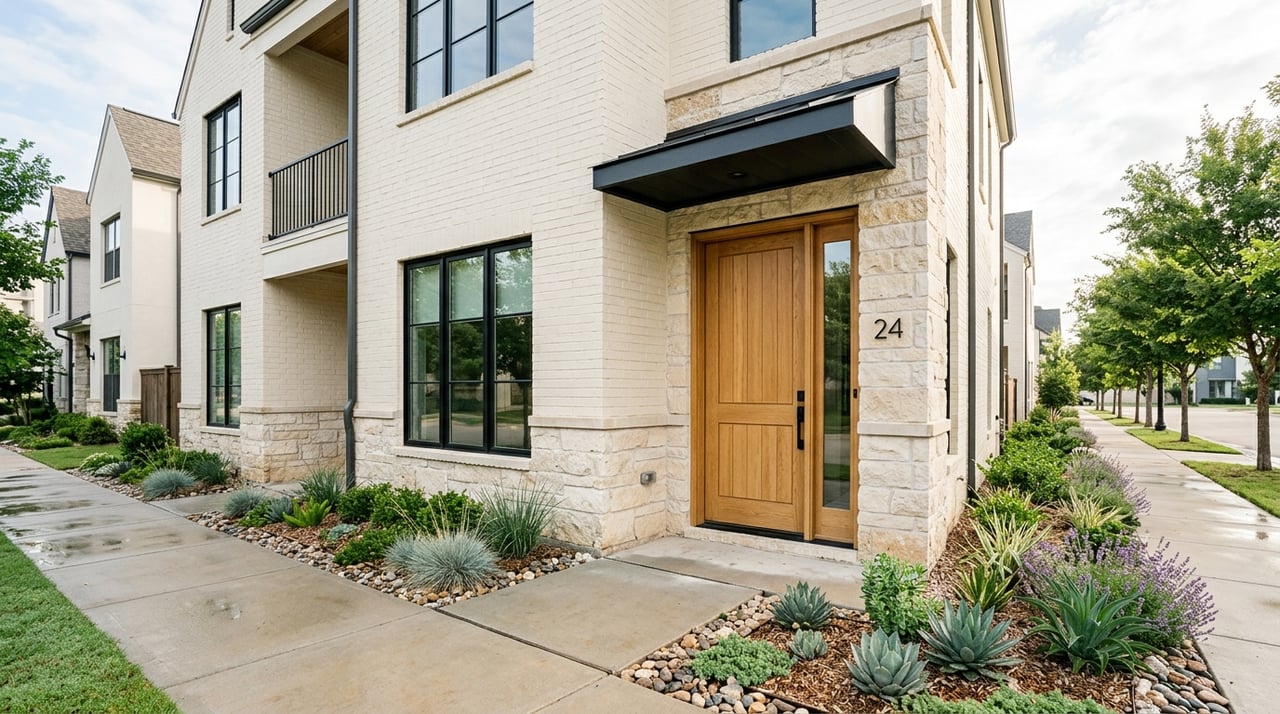
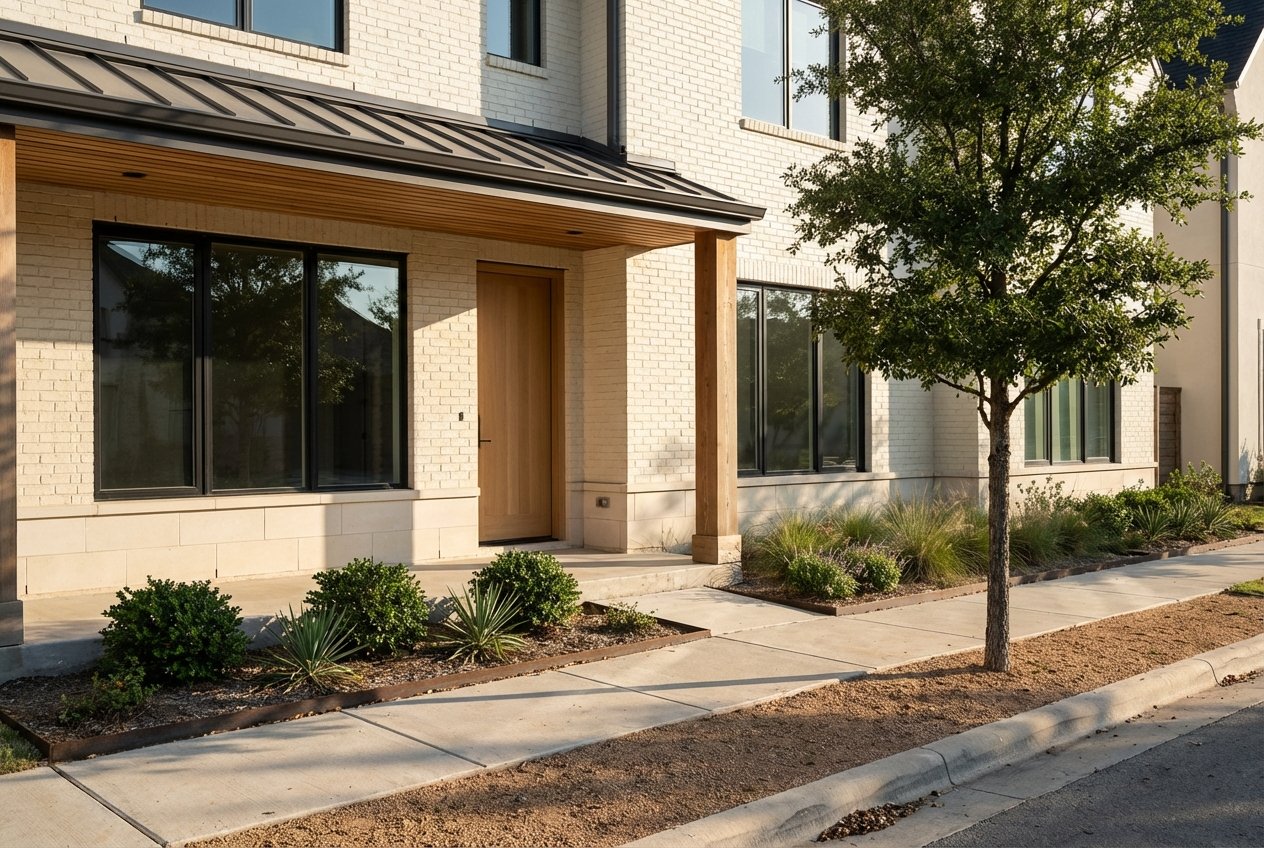
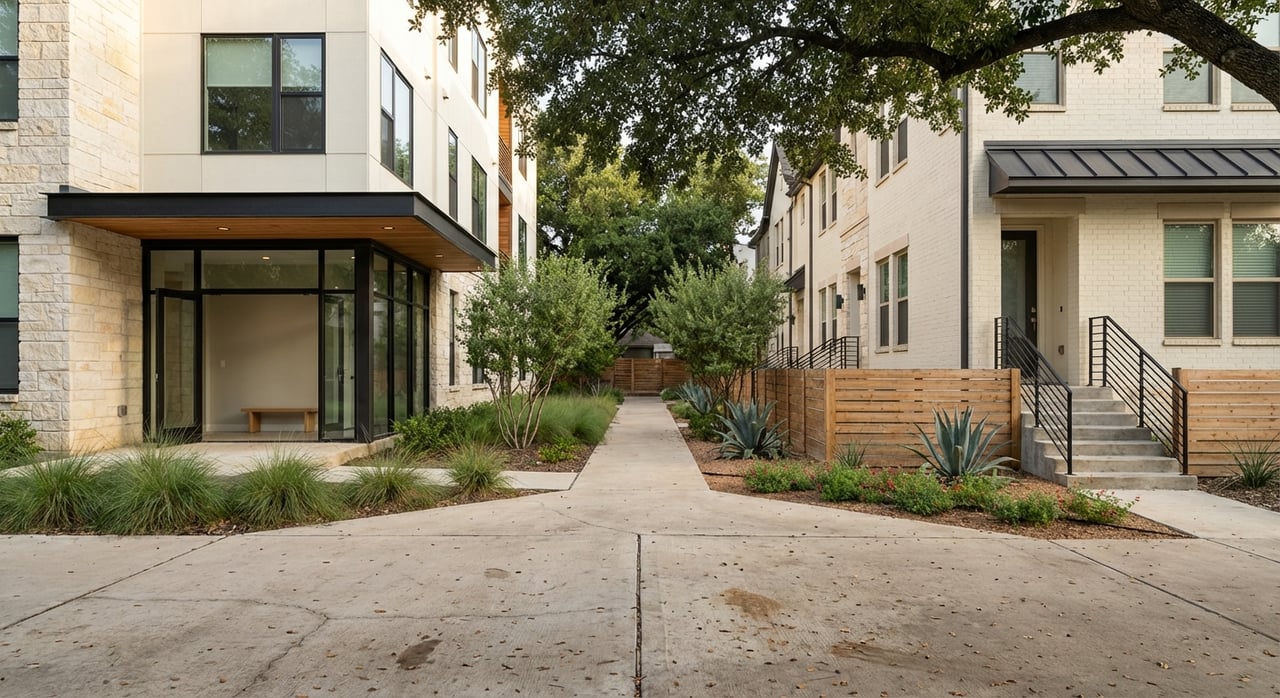
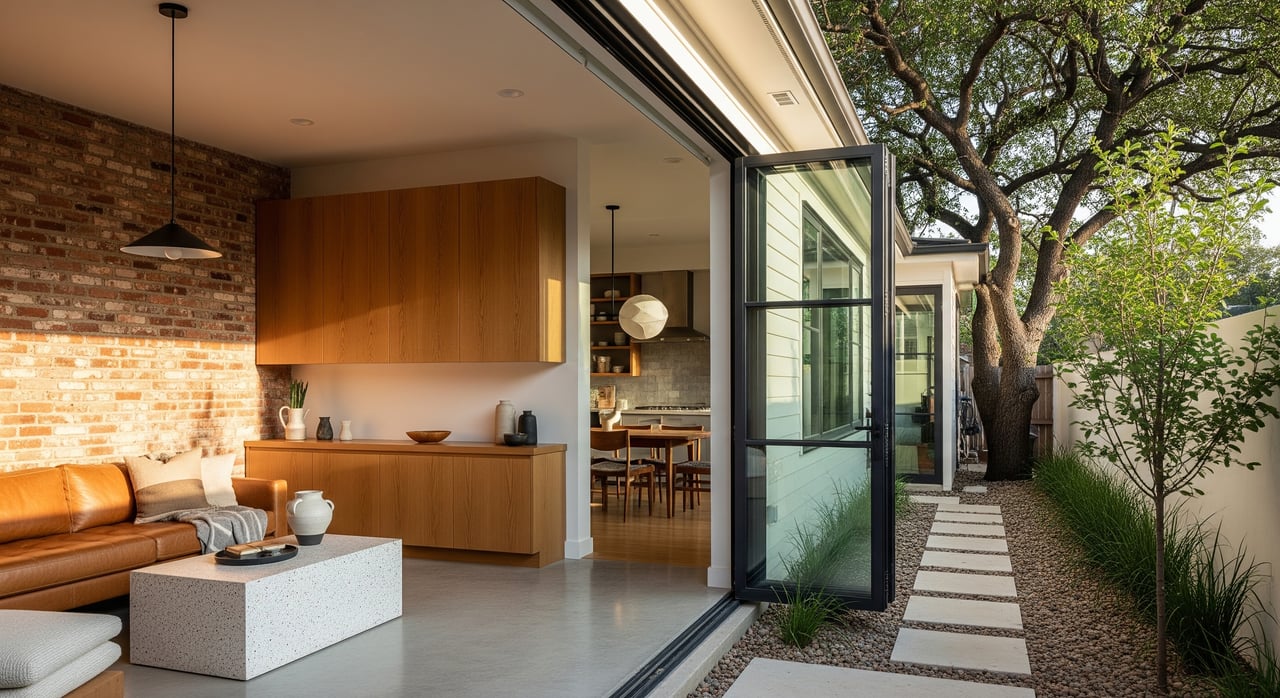
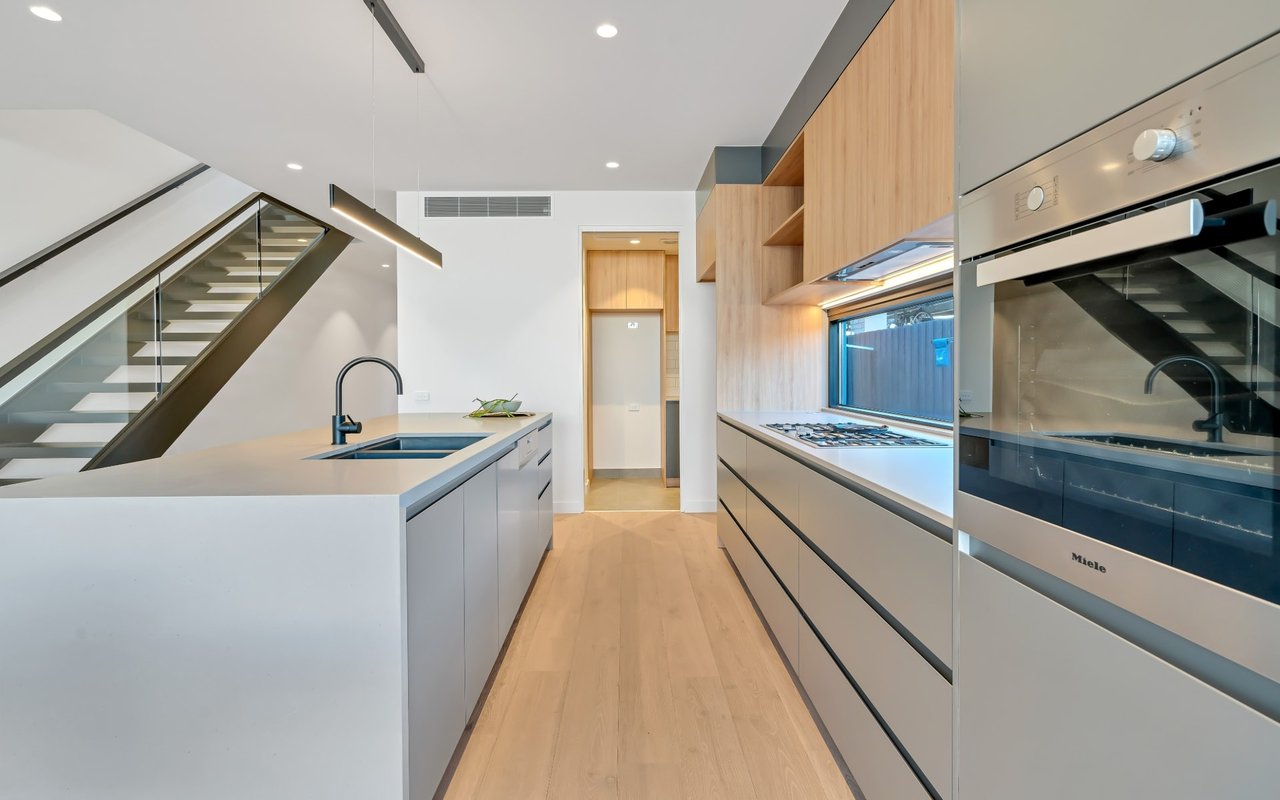
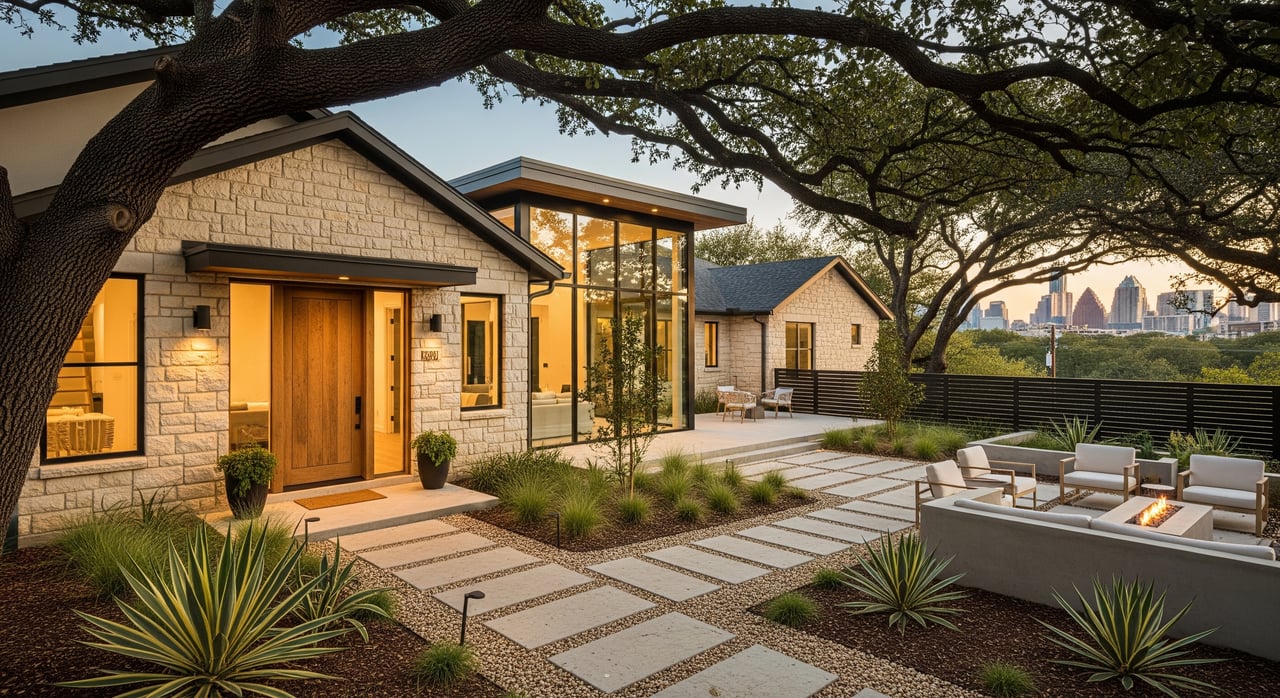
Over the last decade, small‑lot infill has grown. Modern townhomes and multi‑unit developments bring contemporary finishes, open plans, and garage parking. These homes trade large yards for efficient layouts and walkable convenience.
Apartments and mixed‑use buildings
Along commercial corridors, you find older garden‑style apartments and newer complexes with amenities like gyms, pools, and shared workspaces. If you want a maintenance‑light setup near restaurants and transit, these are solid options, though central locations carry a premium.
ADUs and studio potential
Accessory Dwelling Units and converted garages are common. They function as home offices, rental income, or multi‑generational space. If you are an artist or maker, small commercial spaces and home studios keep creative work close to home.
Lifestyle fit: quick checklist
- You want trail access and short trips to downtown.
- You value local coffee, food trucks, and small creative venues.
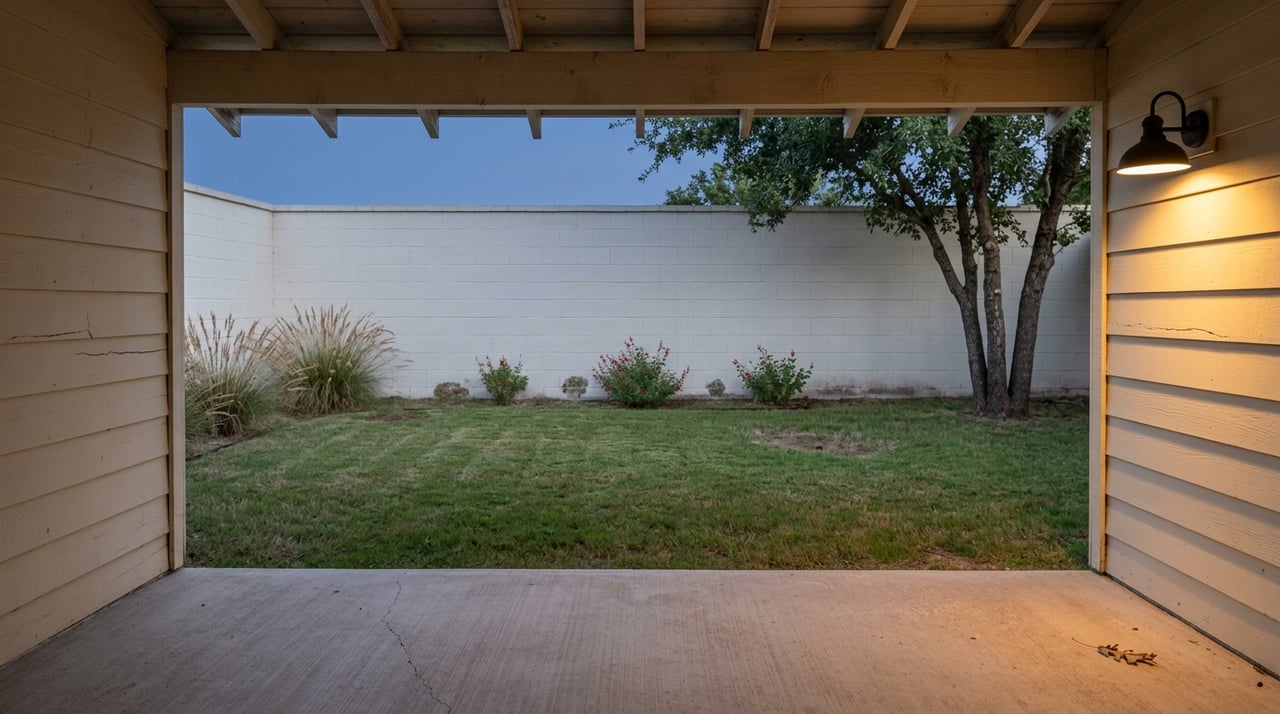
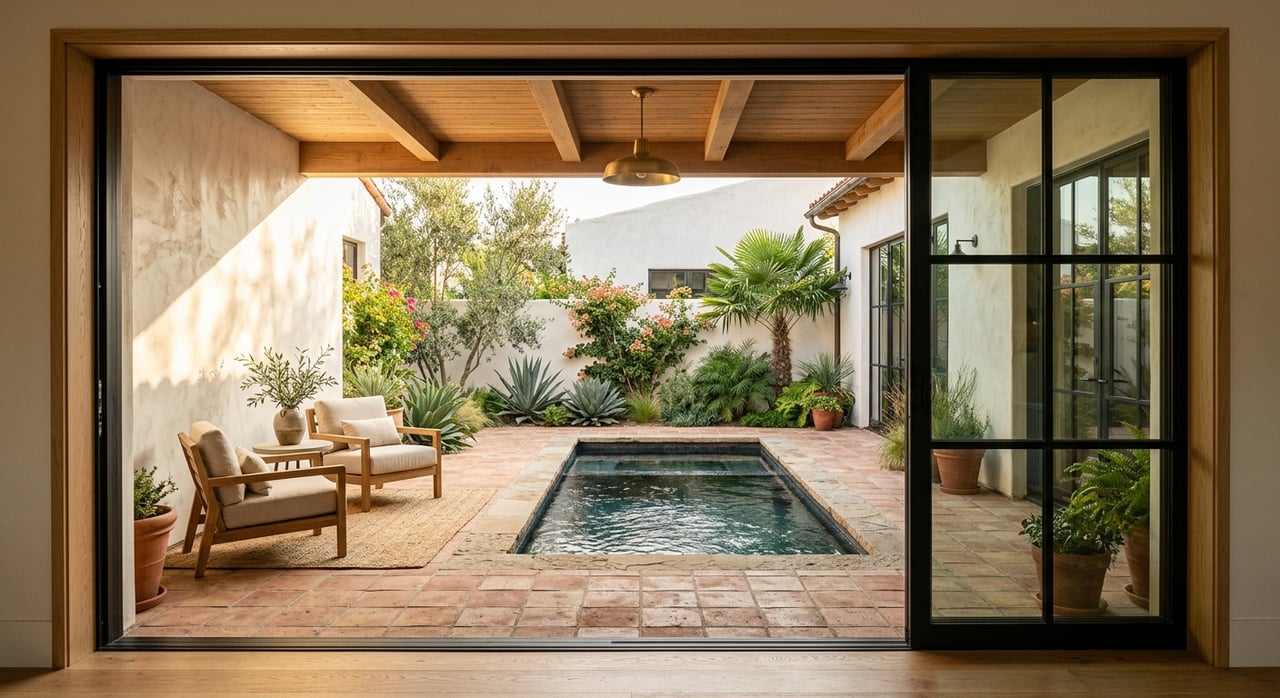
- You are comfortable with smaller lots and compact outdoor space.
- You prefer bike, scooter, or bus for many trips, with a car as a backup.
- You like a quieter home on a side street, with livelier options a short walk away.
Trade‑offs to weigh:
- Smaller yards and higher central pricing in exchange for location.
- Potential renovation needs in historic homes versus premiums on new infill.
- Active nightlife and construction near main corridors versus calmer residential blocks.
Market snapshot and trade‑offs
Central East Austin has seen significant appreciation and steady redevelopment pressure since the early 2000s. Proximity to downtown and cultural amenities keeps demand high. Inventory is often tight near the lake and main corridors, and newer construction tends to come at a premium.
Renters will find a wide range of options, from older complexes to high‑amenity buildings. Central addresses command higher rents, while areas farther east or in up‑and‑coming pockets may be more affordable. If you are buying, expect to trade size and yard space for location and walkability.
Renovation, permits, and financing
Older homes may need meaningful upgrades to systems like electrical, plumbing, HVAC, roofing, and foundations. If you plan significant changes, factor in time and budget for permitting with the City of Austin. Standard permits are required for additions, major remodels, and new ADUs, and zoning determines what you can build on a given lot.
If you are financing a remodel, discuss renovation loan options and reserves with your lender early. Property taxes follow Travis County norms, and insurance costs vary by property age and construction type. Good planning on the front end keeps projects predictable.
Noise, safety, and daily livability
Main corridors are livelier in the evening and on weekends, while side streets are calmer. Construction activity on infill sites is another noise factor to consider. Safety perceptions vary by block, as in most urban neighborhoods, and are shaped by lighting, street activity, and community engagement. Reviewing local crime data helps form an objective view.
Schools and childcare
Central East Austin is served by Austin ISD, with charter and private options nearby. Enrollment zones can change, so review district maps and current performance data as you narrow your search. Childcare ranges from small neighborhood providers to larger centers, and availability can be tight in central locations.
Is Central East Austin right for you?
If you want an active, creative daily rhythm with easy access to the lake and a short hop to downtown, Central East Austin delivers. The housing mix supports many lifestyles, from historic charm to modern efficiency and studio‑friendly setups. The trade‑offs are real, but clear: you likely accept smaller lots and premium pricing in exchange for walkability, energy, and time back in your day.
When you are ready to evaluate specific streets, housing types, or a renovation plan, connect with us for a clear, data‑driven path forward. Start a conversation with Christopher Harris Real Estate to map your options with confidence.
FAQs
Do I need a car if I live in Central East Austin?
- It depends on your routine, since many errands are walkable or bikeable, but commuting to other parts of Austin may still be easier by car.
How noisy is Central East Austin at night and on weekends?
- Main corridors have livelier nightlife while residential side streets are calmer, and construction can add daytime noise on infill blocks.
What types of homes are common in Central East Austin?
- You will find historic bungalows, modern infill townhomes, apartments along corridors, and many homes with ADUs or studio potential.
Is Central East Austin good for working from home or studio use?
- Yes, ADUs, converted garages, and shared workspaces are common, which makes remote work and creative projects easier.
What should I expect if I plan a renovation in Central East Austin?
- Plan for permits with the City of Austin and potential system upgrades in older homes, plus time and budget for scheduling and financing.
How do schools and childcare options work in Central East Austin?
- The area is served by Austin ISD with nearby charter and private choices, and you should verify current zones and availability as you search.